



 Story
Story
 Laura
Laura
 Mia
Mia
 Magda
Magda
 Luce
Luce
 Martina
 Mina
Mina
 Pearl district
 Irene
Irene
 Federica
 Frida
Frida
 Lucrezia
 Mirra
Mirra
 Ida
Ida
 Monica
 Isadora
 Unica
Unica
 Fedora
 Berenice


 Story
Story
 Vespucci
 Galileo
 Matteo
 Mattia
 Manfredi
 Brunelleschi
 Duccio
 By material
 Leather trolleys
 Hard case trolleys
 Fabric trolleys


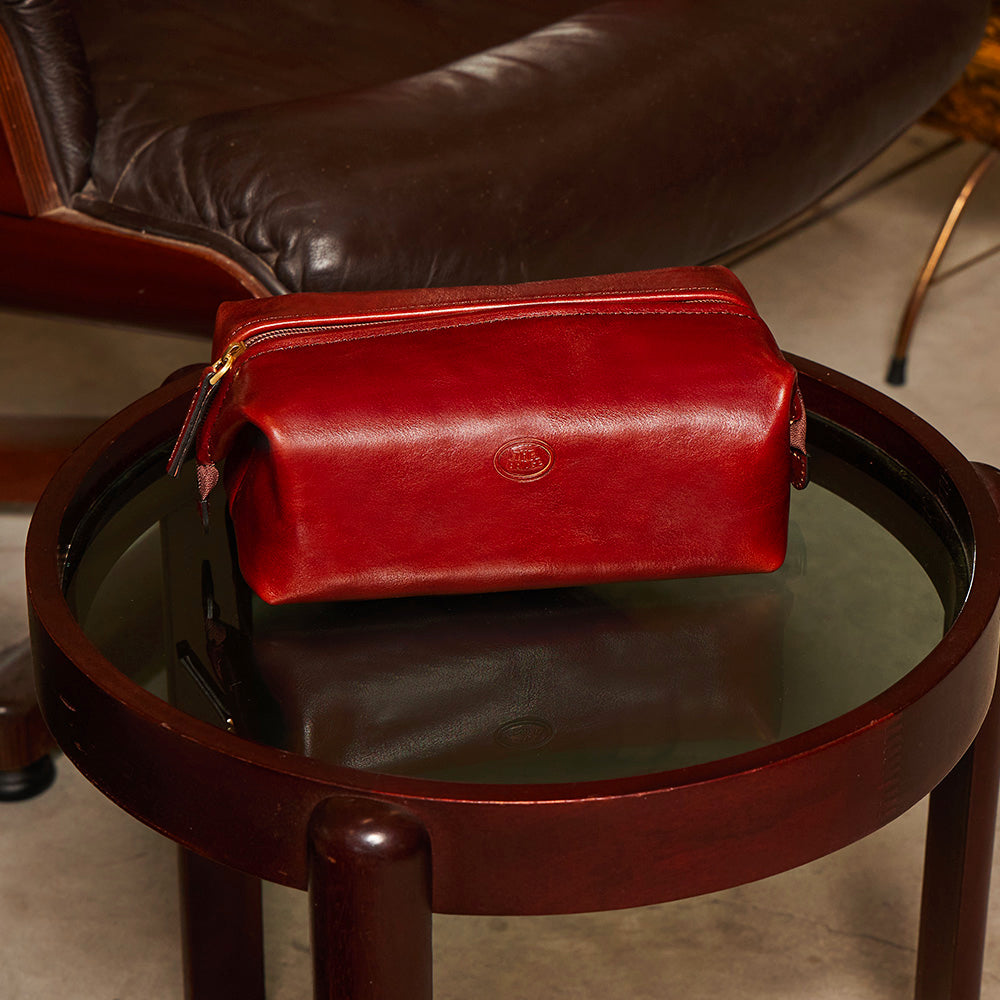

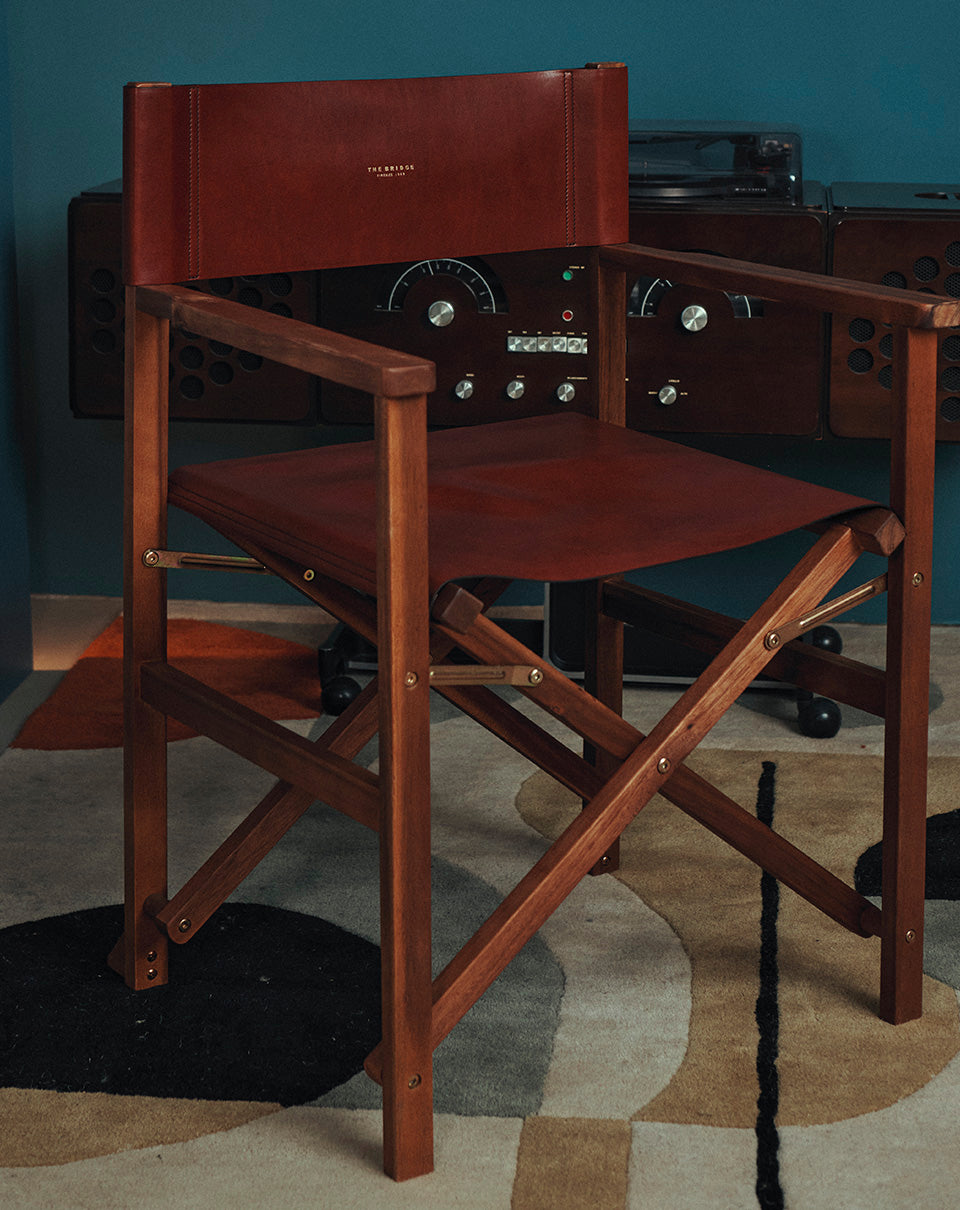


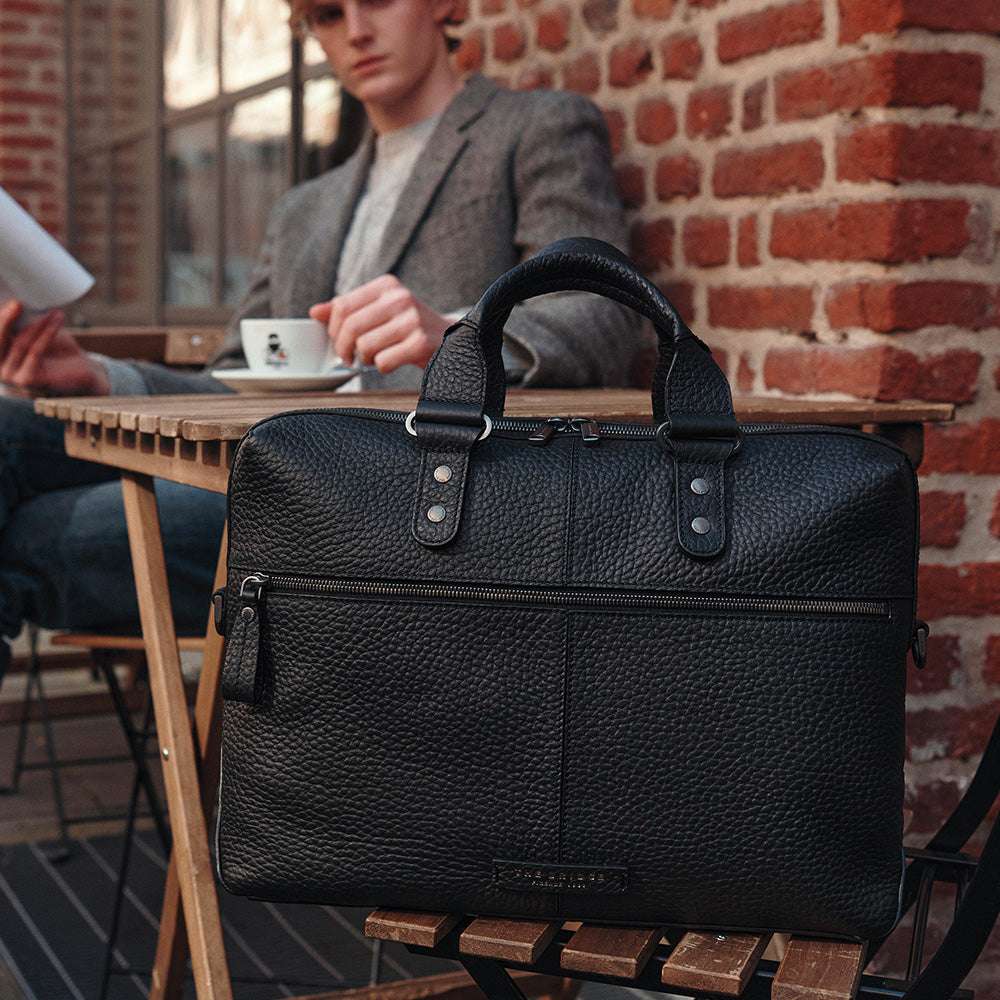
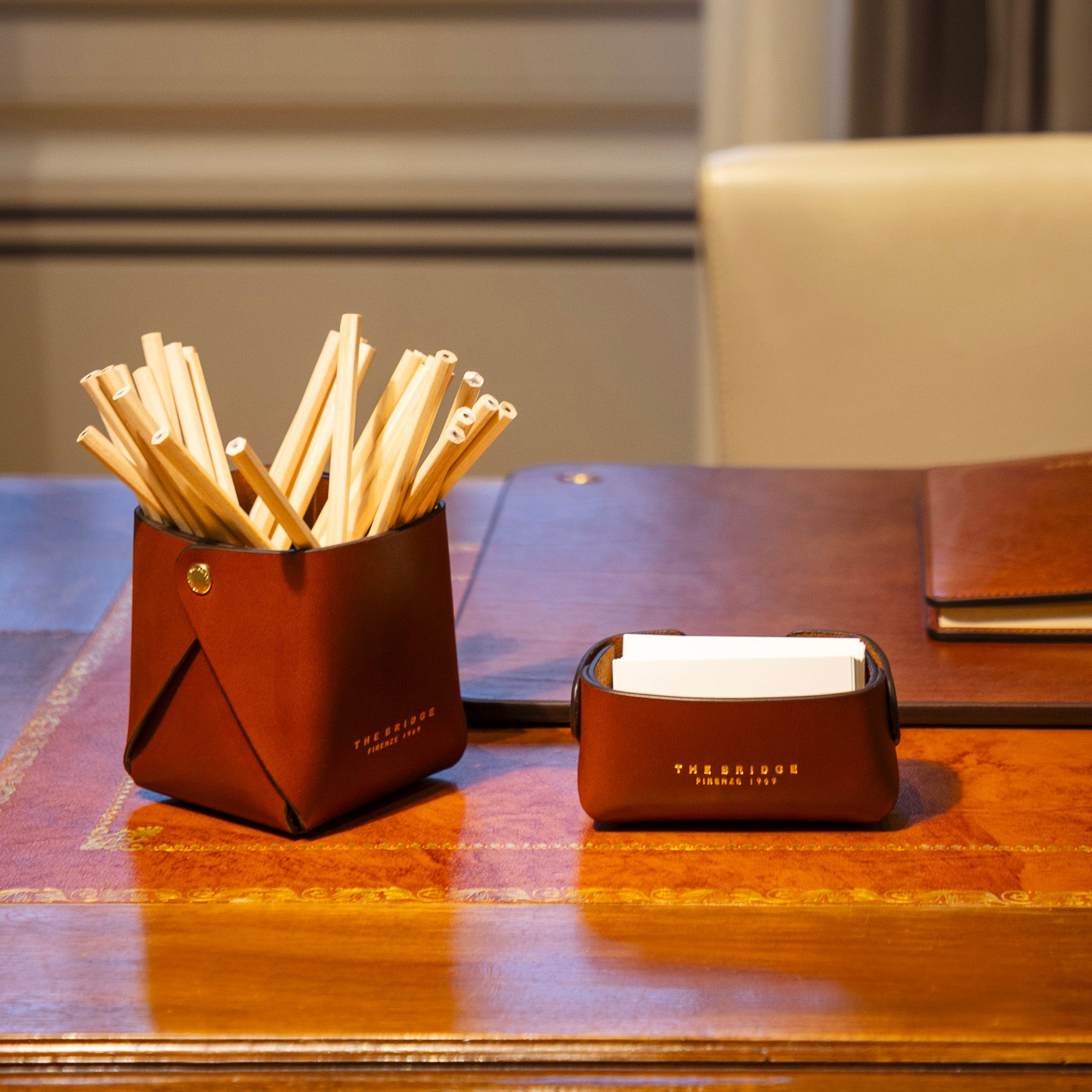
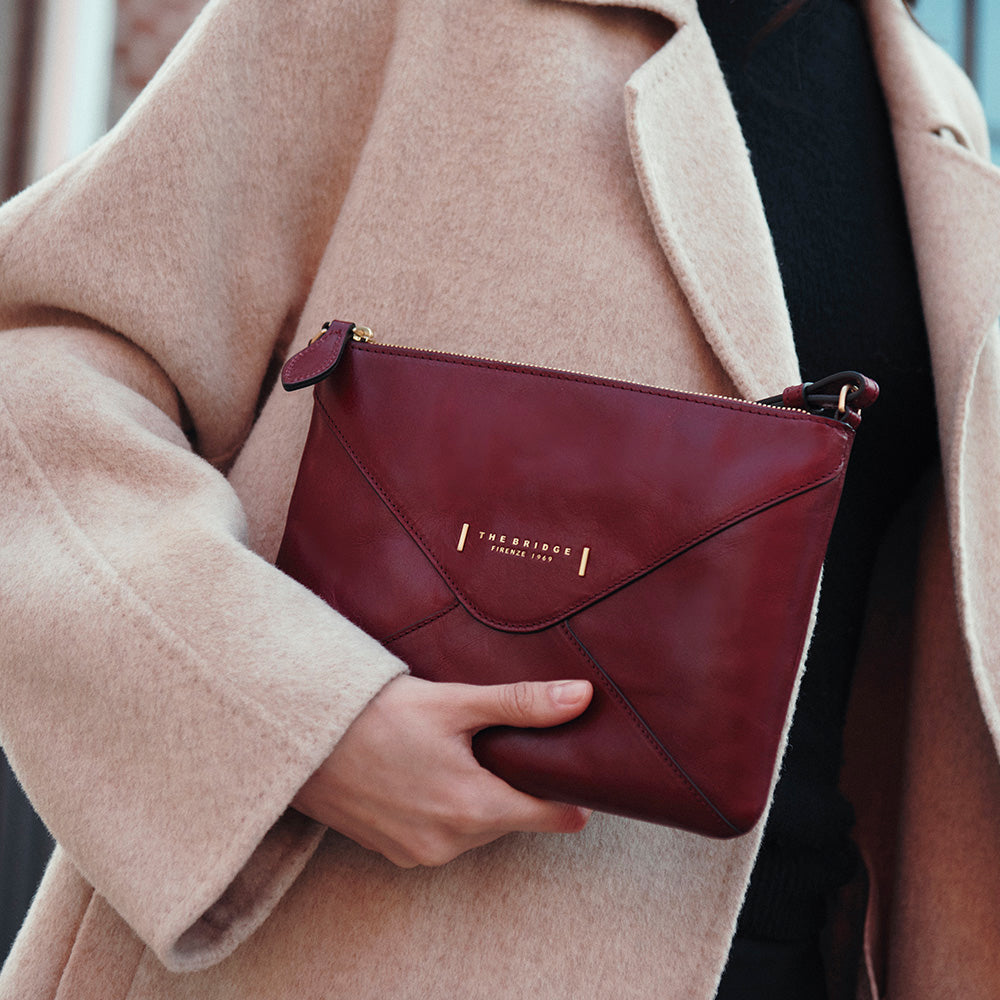

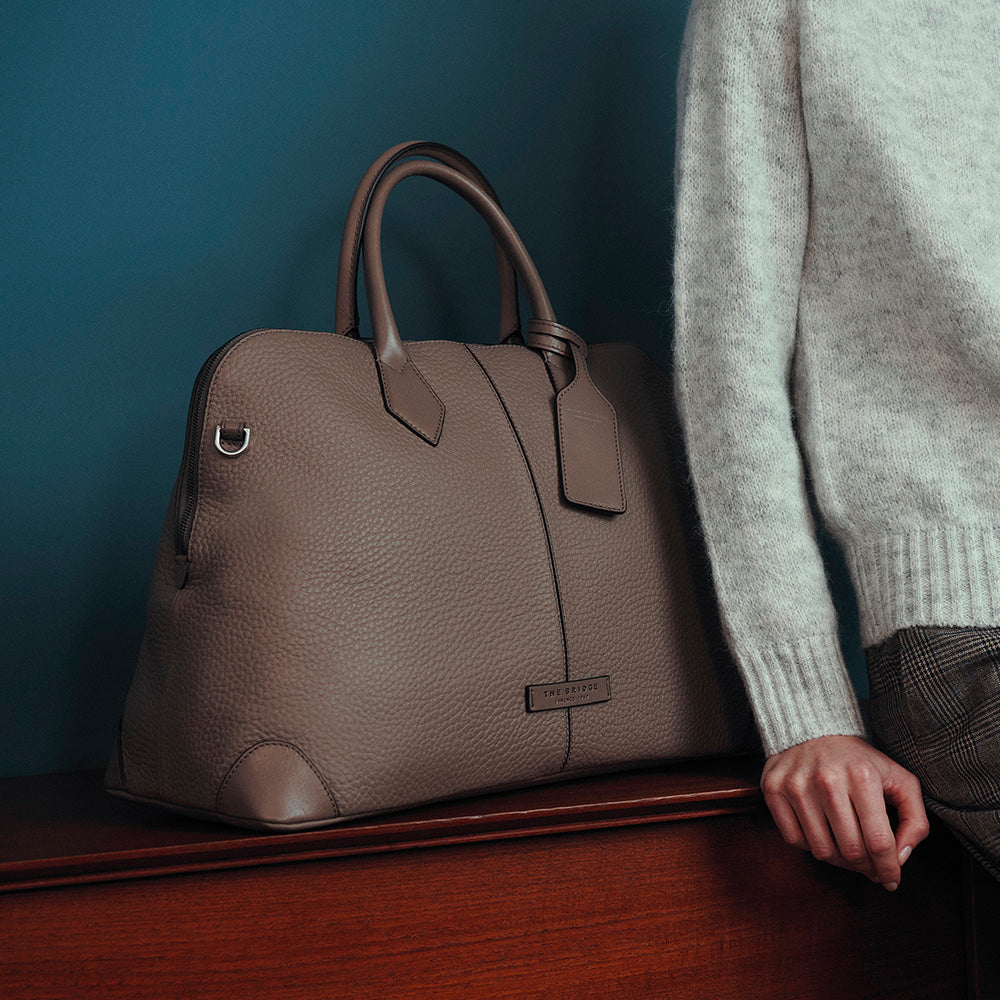


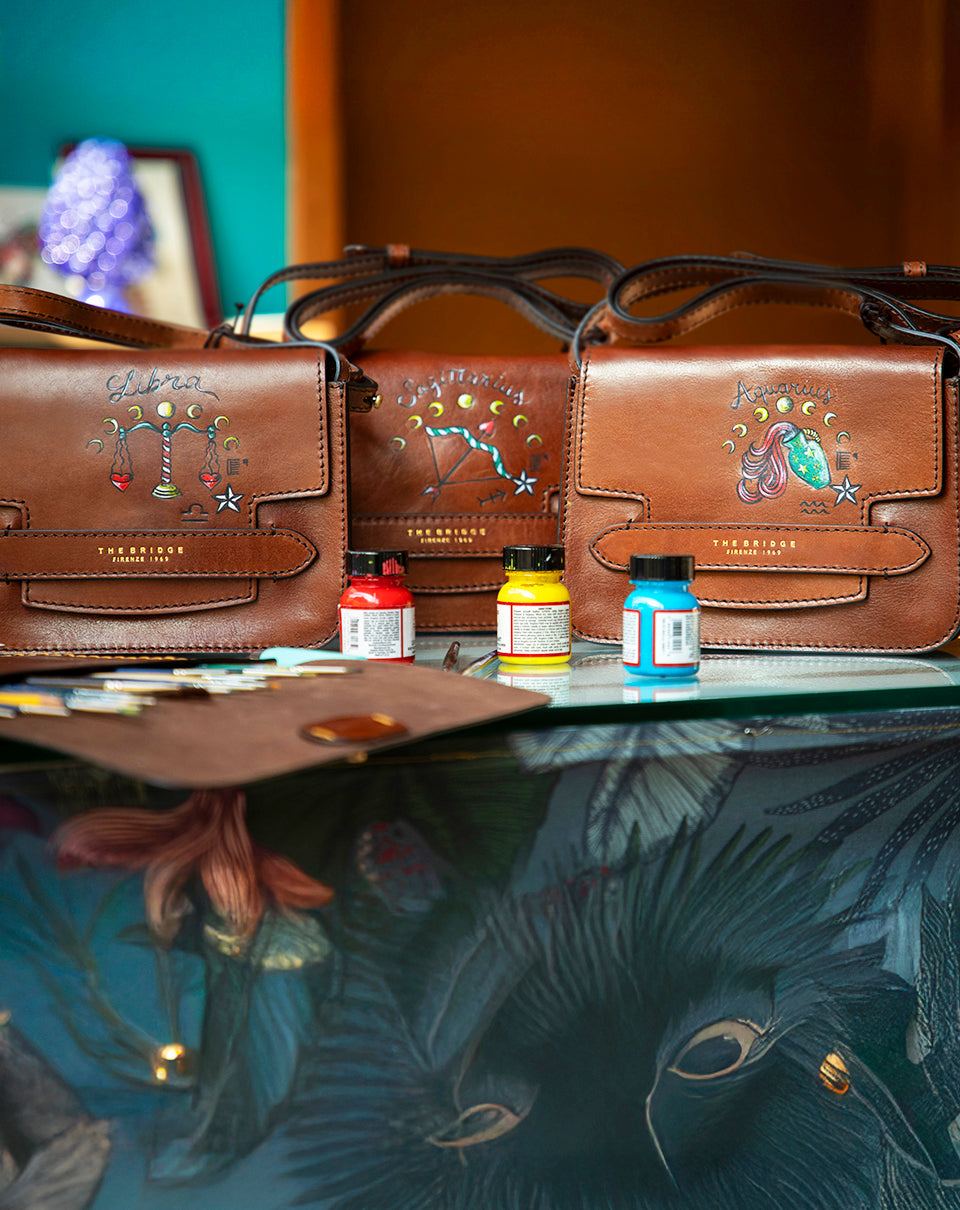
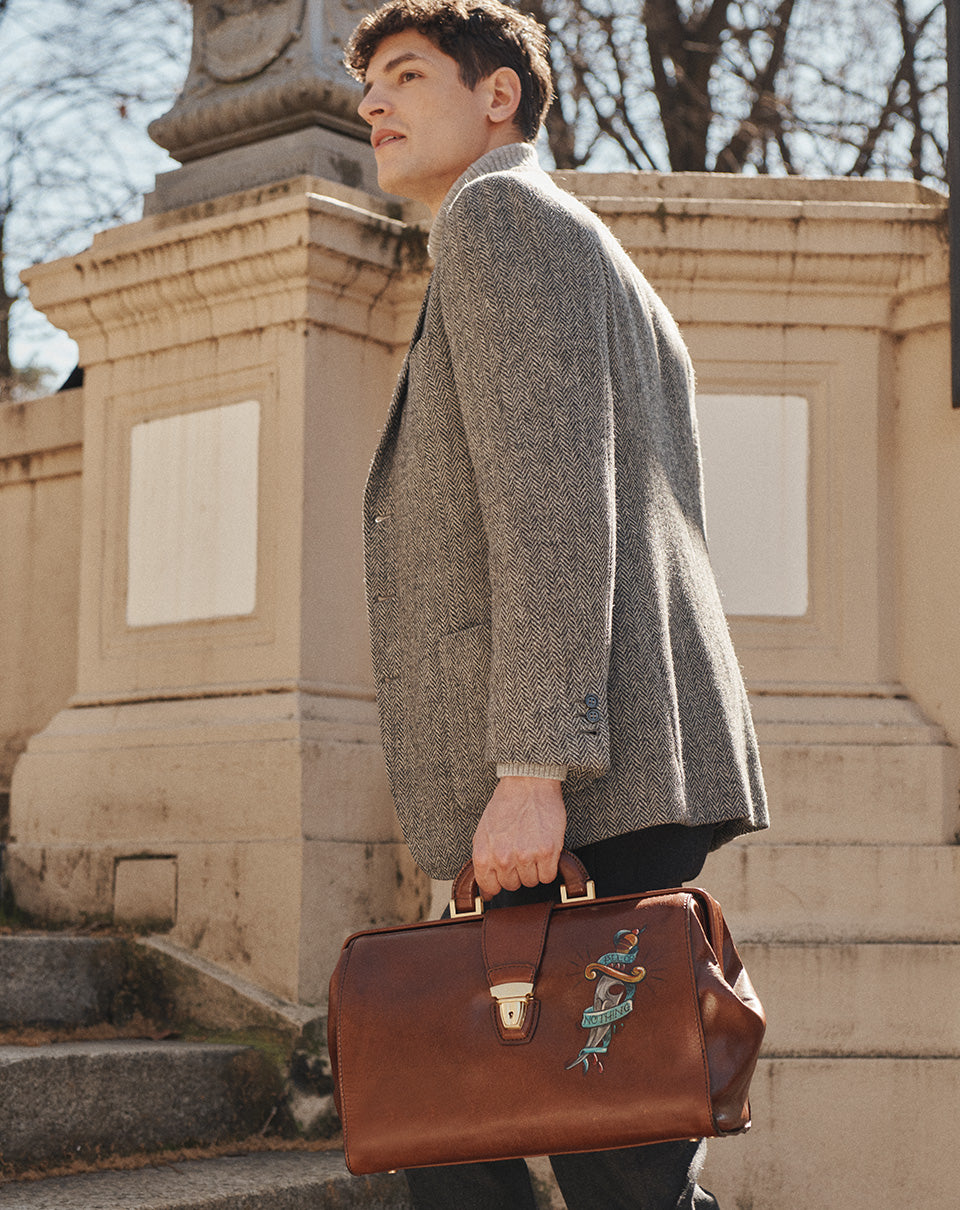

Some things we buy, and some things we choose. A leather bag belongs to the second kind: we study it for a while, run our hands over it, imagine how it will change over the years. Today, that choice comes with one more question, and we hear it increasingly often: is this leather sustainable?
It's a fair question, but the answer isn't simple. The word "sustainable" is everywhere, often with nothing to back it up. In this article, we take our time to clear things up: what truly makes leather sustainable, which signs to look for before you buy, and how to care for it so it lasts as long as possible.
Table of Contents
- What is sustainable leather?
- Vegetable tanning vs. chrome tanning: the differences that matter
- How to recognize sustainable leather
- What about "vegan leather"?
- Longevity is the first form of sustainability
- FAQ
What is sustainable leather?
There is no single, official definition of sustainable leather. Rather, it comes down to a series of choices made all along the supply chain that make a material respectful of the environment and of the people who work it.
A material born from recovery
In nearly every case, the leather used in leather goods is a byproduct of the food industry. Animals are not raised for their hides: without tanning, this material would become waste to be disposed of. Turning it into something made to last is a form of recovery.
Everything that happens next
The starting point alone, however, isn't enough. What makes the difference are the steps that follow: the type of tanning, how water and waste are managed, the chemicals used, working conditions in the tanneries, the distance the raw material travels. Sustainable leather is the result of a carefully managed supply chain, not a label.
Vegetable tanning vs. chrome tanning: the differences that matter
Tanning is the process that turns raw into a stable material that is durable and easy to work with. It's also the stage that has the greatest environmental impact, because of the water and energy it consumes and the chemicals it involves.
Chrome tanning is the most widely used method in the world today: it's fast, inexpensive and produces soft, uniform leather. Its drawback lies in the use of chromium salts, which call for strict management of wastewater and residues to keep them from becoming an environmental problem.
Vegetable tanning is the oldest method. It relies on natural plant-based tannins, extracted from bark, wood and other parts of plants such as chestnut, mimosa and quebracho. It's a slow process that can take weeks and requires skilled hands. In Tuscany, this tradition is still very much alive and is protected by the Consorzio Vera Pelle Italiana Conciata al Vegetale, the consortium of genuine Italian vegetable-tanned leather.
Vegetable-tanned leather has an unmistakable character: it smells wonderful, feels full in the hand and darkens over the years, taking on depth and nuances that tell the story of everyday use. That isn't a flaw; it's simply its nature.
One nuance is worth adding: chrome tanning can also be handled responsibly, if the tannery has proper water treatment facilities and follows certified standards. The method matters, but so does who apply it.
How to recognize sustainable leather
In a store, or looking at a product page, it isn't always easy to find your way. There are, however, a few concrete signs worth paying attention to.
Read the details carefully
A brand that takes care of its supply chain usually talks about it in precise terms. Before you buy, look for:
- the declared tanning method (vegetable, chrome, metal-free);
- the origin of the leather and where it was processed;
- any supply chain certifications, such as those from the Leather Working Group (LWG), which assesses the environmental performance of tanneries, looking at water and energy use, chemical management and wastewater treatment, or those issued by ICEC, the Italian certification institute for the tanning industry;
- the words "vera pelle" or "cuoio" (genuine leather): in Italy, Legislative Decree 68/2020 regulates their use, reserving them for materials of animal origin.
On the other hand, be wary of vague claims like "eco-friendly" or "green" when they aren't backed by any verifiable information.
Trust your senses
Touch and smell help, too. Quality leather, especially vegetable-tanned leather, has a warm, natural scent, never chemical or sharp. It feels substantial in the hand, with small irregularities that reveal its origin. Look at a cut edge and you'll see a dense, fibrous cross-section, while synthetic materials often show a layer of fabric or plastic.
What about "vegan leather"?
Many alternatives labeled "vegan leather" are materials made from polyurethane or PVC, both derived from petroleum. Some newer plant-based options are promising, but they often still contain a synthetic component and don't last as long. A material's sustainability doesn't depend on its origin alone, but also on how long it stays in use.
Longevity is the first form of sustainability
There's one aspect that often gets overlooked: how long an object lasts helps determine its impact over time, and therefore its sustainability. A well-made leather bag can stay with us for decades, while a short-lived accessory soon ends up in the trash, however "green" it claims to be. A quality leather bag, well-built and well cared for, can be part of our lives for many years, reducing the need to replace it often. That's why, alongside the origin of the materials and the production processes, it's always worth considering durability, repairability and longevity.
Stitching and finishes
To judge durability, look at the details. Stitching should be even and tight, edges carefully finished, hardware solid and securely attached. These are the elements, more than any label, that tell us whether an accessory is made to last.
Caring for it over time
Proper leather care is part of sustainability, too. A few simple habits, repeated consistently, are all it takes:
- dust the leather with a soft, dry cloth;
- condition it once or twice a year with a dedicated neutral cream;
- keep it away from direct heat and, if it gets wet, let it air-dry naturally;
- store it in a fabric dust bag, stuffed with paper, when you're not using it.
With this kind of attention, leather softens, takes on new nuances and becomes truly ours.
Sustainable leather FAQ
Is leather a sustainable material?
It can be if it comes from a responsible supply chain. It starts out as a byproduct of the food industry and, when worked with care, becomes objects that last for many years.
Is vegetable-tanned leather more sustainable?
Generally, yes, because it uses natural tannins instead of chromium salts. Still, it should be assessed alongside the rest of the supply chain: water and energy use, wastewater treatment, working conditions and how the supply chain is managed.
How can I tell if a bag is made of real leather?
Look for the words "genuine leather" on the label, check the cut edge and trust your nose: real leather has a natural scent and a surface with slight irregularities.
Is vegan leather a better alternative?
Not necessarily. Many vegan leathers are made from synthetic polymers, which don't last as long and aren't biodegradable. It's important to read the composition before you choose.
Why does leather change color over time?
Especially with vegetable-tanned leather, light and contact with your hands gradually darken the surface. It's a natural evolution that makes each accessory one of a kind.
Conclusion
Choosing responsibly produced leather means looking beyond the label. It means asking where the material comes from, how it was tanned, who worked it and, above all, how long it will stay with us. Vegetable tanning, supply chain transparency, certifications, quality craftsmanship and everyday care are all pieces of the same picture: objects made to stay, not to be replaced. It's this idea of slowness, built on authentic materials and gestures repeated over the years, that we find in The Bridge collections, where every leather accessory is designed to accompany the person who chooses it through the years.
There are no comments for this article yet.