
 Story
Story
 Laura
Laura
 Mia
Mia
 Magda
Magda
 Luce
Luce
 Martina
 Mina
Mina
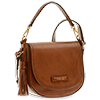 Pearl district
 Irene
Irene
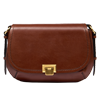 Federica
 Frida
Frida
 Lucrezia
 Mirra
Mirra
 Ida
Ida
 Monica
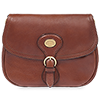 Isadora
 Unica
Unica
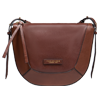 Fedora
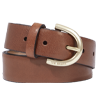 Berenice
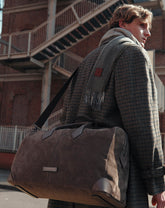
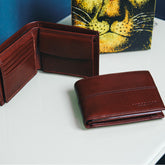
 Story
Story
 Vespucci
 Galileo
 Matteo
 Mattia
 Manfredi
 Brunelleschi
 Duccio
 By material
 Leather suitcases
 Hardside luggage
 Softside luggage
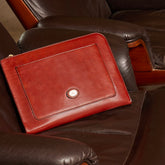
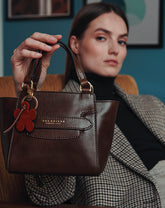

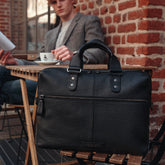






In the world of leather goods, “full-grain leather” and “soft leather” are often used interchangeably.
Yet anyone who knows and loves natural materials understands there’s a deep difference—starting from the manufacturing process through to aesthetics, touch, and durability.
For The Bridge, a brand that celebrates slowness, quality, and the beauty of passing time, knowing these differences is essential.
Choosing between a full-grain or a soft-leather accessory isn’t just about taste: it’s a statement of values and authenticity.
Full-grain leather and soft leather: where they come from
Both originate from the same raw material: animal hide.
The difference lies in how it’s processed, tanned, and finished.
“Soft leather” generally refers to chrome-tanned hides (supple and uniform), while “full-grain leather” refers to hides after vegetable tanning—a process that makes leather strong, durable, and ready to use.
Tanning is when leather stops being perishable and becomes made to last; this is where the true soul of leather comes alive—living, robust, unique, and charming over time.
Difference between full-grain and soft leather: what really changes
1. The manufacturing process
The main difference is the tanning method.
Full-grain undergoes vegetable tanning (tannins from bark, leaves, flowers), yielding a stiffer, more structured, more resistant leather with warm tones that evolve over time.
Soft leather is often chrome- or mixed-tanned: faster, more supple, flexible, and uniform—ideal for lightness and versatility.
2. Appearance and feel
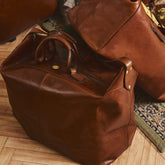
Full-grain looks authentic and natural, with subtle imperfections as marks of authenticity; it feels compact—almost rigid—but softens with use, developing unique character.
Soft leather is smoother and more uniform, often treated for specific textures; it’s soft from first touch and retains its look longer.
3. Durability and resistance
Full-grain is synonymous with longevity: thanks to vegetable tanning, it resists time and wear, improving with age—perfect for bags, belts, and lifetime accessories.
Soft, mineral-tanned leather is more versatile: suitable for soft shapes and flexible designs—jackets, wallets, small leather goods.
4. Color and aging
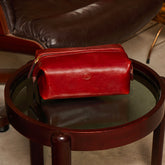
Full-grain darkens slightly over time, gaining depth and a warm sheen; every mark becomes part of its story.
Soft leather keeps its original color longer (surface treatments), but doesn’t develop the same aging charm.
In short: full-grain leather lives with its wearer; soft leather accompanies with quiet elegance.
How to tell full-grain from soft leather
1. Smell
Vegetable-tanned leather gives off an intense, warm, unmistakable aroma (woody or sweet-spicy depending on tannins). Chemically treated leather smells more neutral or slightly synthetic.
2. Touch
Full-grain feels denser and “dry”; soft leather is smoother and more supple. Leather warms to the touch—as if alive.
3. Appearance
Full-grain shows small variations in color and grain—signs of true craftsmanship. Mineral-tanned leather is more uniform and offers a wider color palette.
4. Weight
Full-grain is generally heavier than soft leather due to density and compactness.
When to choose full-grain and when soft leather
Full-grain: for lovers of tradition and durability—structured bags and folders, belts, business cases, objects meant to last a lifetime. Every scratch becomes part of its story.
Soft leather: for those seeking softness and lightness—lighter, flexible bags, everyday backpacks, small leather goods or jackets. It keeps its elegance over time with comfort and versatility.
Full-grain leather in The Bridge tradition
For The Bridge, leather is a language of authenticity: each bag, belt, and accessory is the result of slow, patient workmanship, expert hands, and time-honored know-how.
Vegetable tanning—centuries-old in Tuscan workshops—gives depth of color and unique charm, making every piece unrepeatable.
Soft leather is selected for its natural softness, while preserving the brand’s artisanal spirit; in both cases, details are designed to mature over time.
How to care for full-grain and soft leather
1. Cleaning
Use a dry cloth for dust. For light stains, apply a small amount of leather-specific cleaner with gentle circular motions; avoid harsh detergents.
2. Nourishment
For full-grain, periodically apply a neutral nourishing cream to maintain softness. Soft leather also benefits from specific, lighter-texture products.
3. Storage
Store accessories in a dry, ventilated place, away from heat. Use dust bags (preferably natural fabric) to protect without trapping moisture.
This resource provides a step-by-step guide to caring for The Bridge leather accessories.
FAQ on the difference between full-grain and soft leather
Is full-grain leather better than soft leather?
There’s no absolute “best”: it depends on use. Full-grain is more durable and textured; soft leather is lighter and more versatile.
Is full-grain leather always natural?
Yes—always vegetable-tanned, like The Bridge leather. It’s natural, free from toxic substances, and generally well-tolerated even by people allergic to heavy metals.
Is soft leather more easily damaged?
Soft leather is more delicate, but with proper care can last many years. Full-grain ages beautifully and improves over time.
How to recognize real leather?
Characteristic scent, slightly non-uniform appearance, and it warms to the touch. Be wary of chemical smells or overly uniform finishes—often synthetically coated.
How to keep leather accessories beautiful over time?
Keep them clean, away from moisture, and periodically nourish with specific products.
Conclusion: Beauty that grows over time
Full-grain or soft leather—each tells a story of skilled hands, ancient gestures, and patient workmanship.
They share the same essence: craftsmanship and love for durability.
In The Bridge’s world, time doesn’t wear things down—it perfects them. Every bag is a story of authentic beauty, made without haste, that only real materials can tell.
There are no comments for this article yet.