



 Story
Story
 Laura
Laura
 Mia
Mia
 Magda
Magda
 Luce
Luce
 Martina
 Mina
Mina
 Pearl district
 Irene
Irene
 Federica
 Frida
Frida
 Lucrezia
 Mirra
Mirra
 Ida
Ida
 Monica
 Isadora
 Unica
Unica
 Fedora
 Berenice


 Story
Story
 Vespucci
 Galileo
 Matteo
 Mattia
 Manfredi
 Brunelleschi
 Duccio
 By material
 Leather suitcases
 Hardside luggage
 Softside luggage




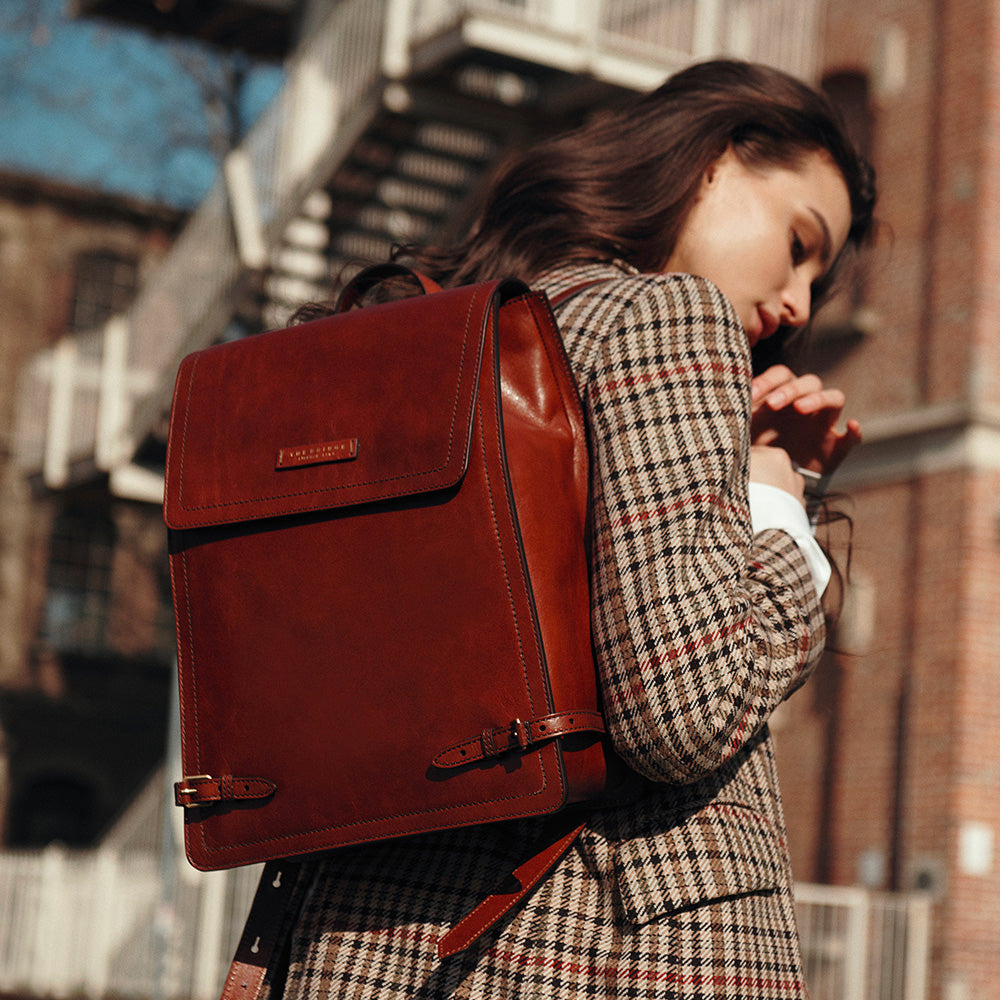
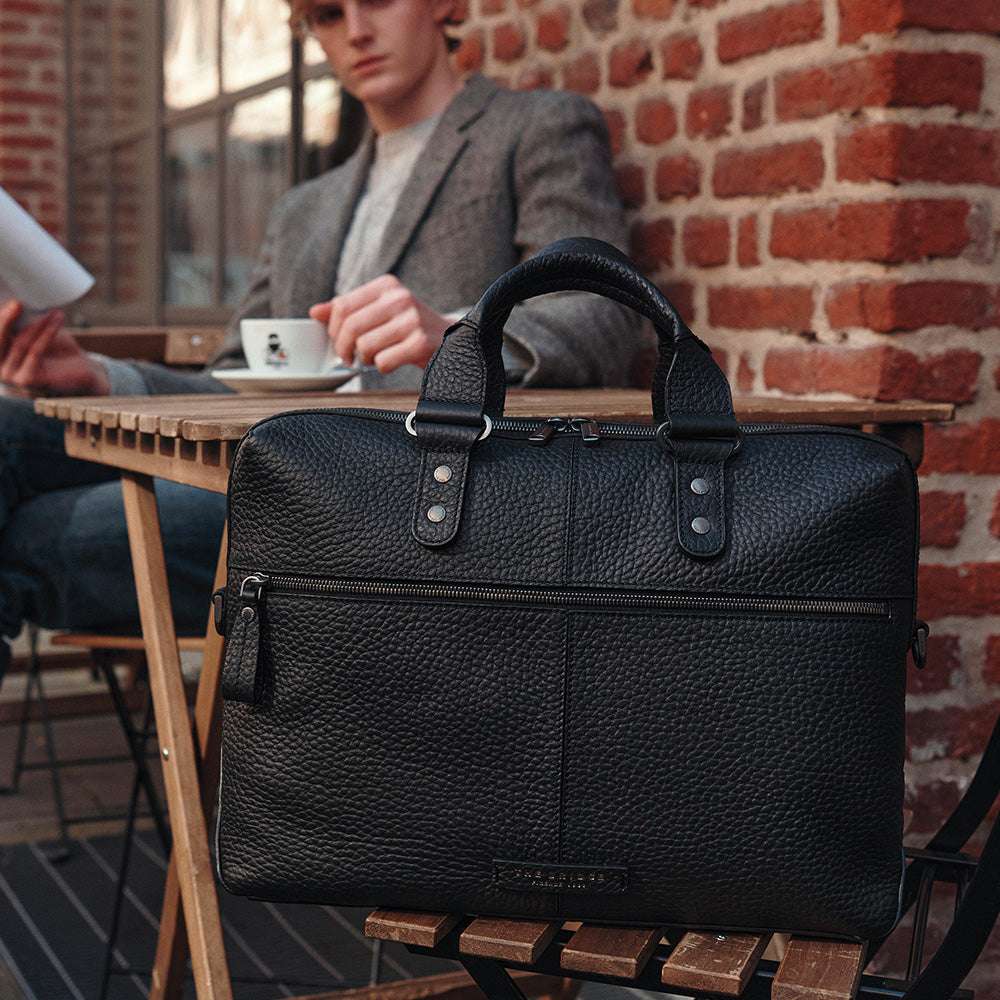
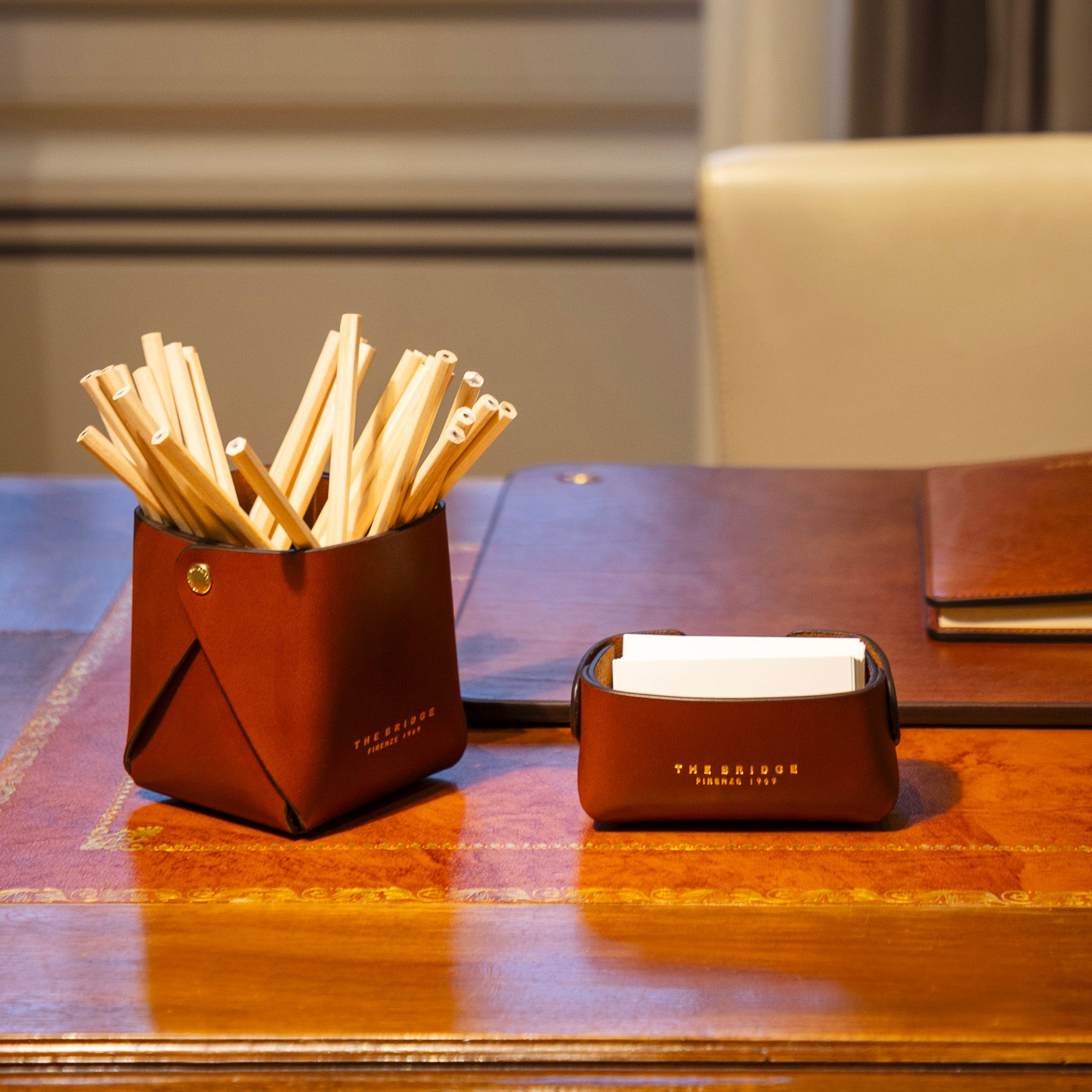
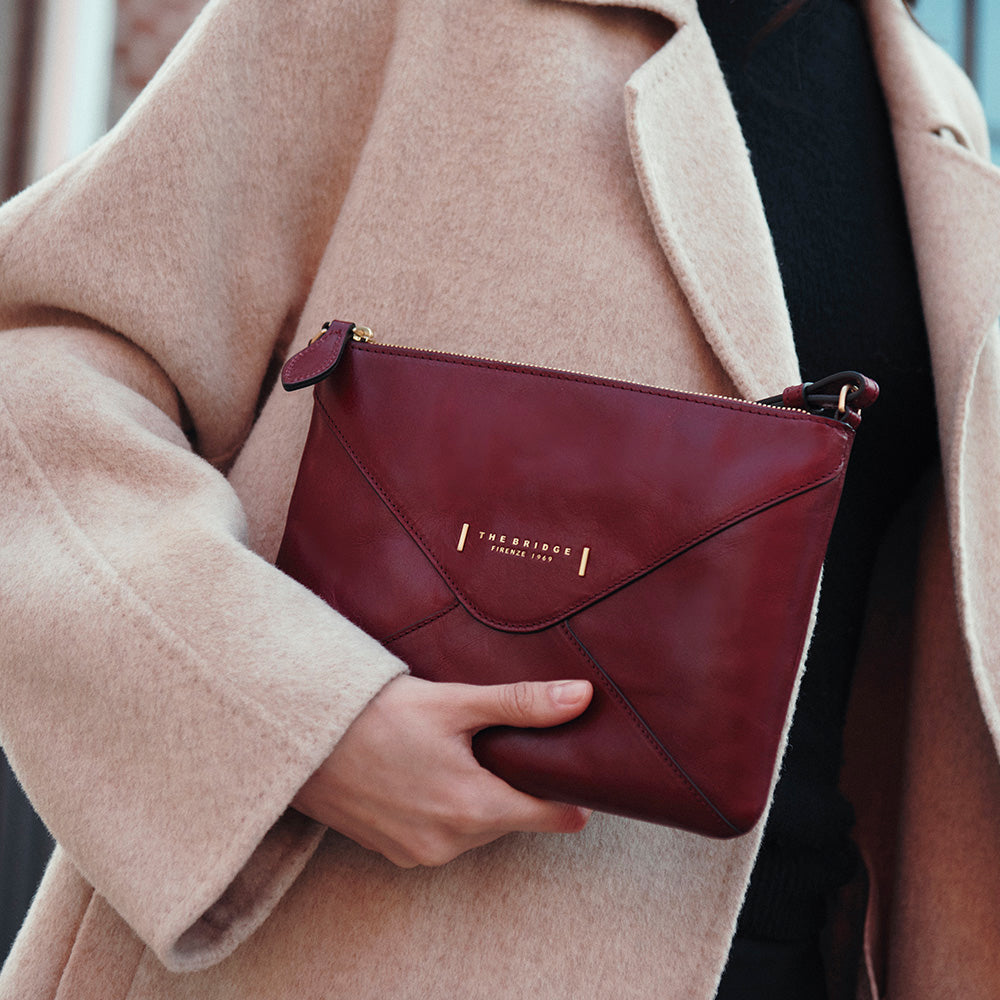



Over the centuries, the women's handbag has changed its shape, its purpose, and the way it is carried. From small pouches hanging at the waist to pockets tucked beneath skirts, and on to bags held in the hand or worn on the shoulder, its evolution mirrors the changes in fashion, in everyday life and travel, and in women's place in society. Exploring the history of the handbag means discovering why certain shapes have survived to this day and what still makes them relevant, so you can choose a bag today that you'll keep for years to come.
Table of Contents
- The origins: girdle pouches and hidden pockets
- From the 18th to the 19th century: the handbag steps into view
- The 20th century: the handbag becomes a style icon
- Historic shapes we still carry today
- How to choose a bag that will last for years
- FAQs about the history of the handbag
The Origins: girdle pouches and hidden pockets
In the Middle Ages, men and women alike wore small pouches of cloth or leather hanging from their belts. These girdle pouches held coins, keys, and small devotional objects. Back then, a bag was above all a practical tool, yet even then its embroidery and clasps said something about the rank of the person wearing it.
Between the 17th and 18th centuries, women began wearing pockets separate from their gowns, tied around the waist with a ribbon, hidden beneath full skirts, and reached through slits in the fabric. They were truly personal spaces, discreet yet surprisingly roomy: some measured as much as 16 inches (40 cm) long and could hold money, keys, sewing tools, and even small books. It's a detail that says a great deal about the habits and daily lives of women at the time.
From the 18th to the 19th century: the handbag steps into view
The reticule and a new silhouette
In the late 18th century, Neoclassical fashion brought light, high-waisted gowns with close-fitting lines. Beneath such fine fabrics, there was simply no room left for pockets. And so the reticule was born: a small drawstring pouch carried on the wrist.
The name reticule comes from the Latin reticulum, meaning "little net," by way of French. These purses were so small that they earned the nickname ridicule, a play on words that shows just how much attention this new accessory attracted.
They could be embroidered, embellished, and even used to convey social and political messages. The handbag was beginning to stand out not only for what it held, but for what it said about the woman who carried it.
Trains, travel, and the birth of the great leather houses
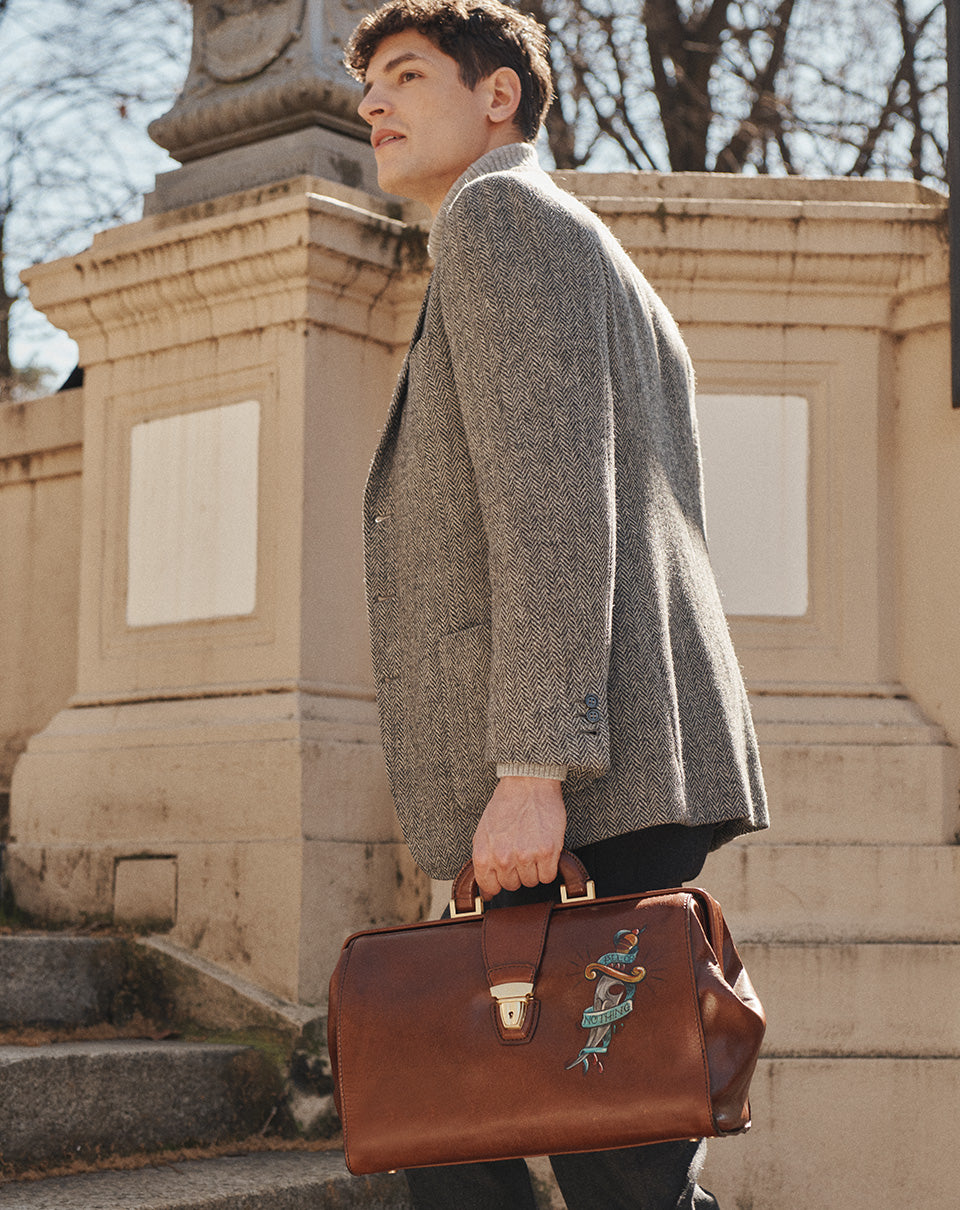
In the 19th century, the growth of the railways, steamship travel, and greater mobility transformed the way people moved. Travelers needed sturdy, spacious trunks and bags with solid frames, strong handles, and secure closures, built to protect personal belongings on ever more frequent journeys. It was in this setting that some of the great historic leather goods houses emerged, rooted in the traditions of trunk makers, saddlers, and leather artisans. Innovations in shape, materials, and fastenings made luggage more practical and functional. Many of the solutions developed for travel would go on to shape city bags as well, giving rise to styles that are still part of our wardrobes today.
The 20th century: the handbag becomes a style icon
From the 1920s to the postwar years
In the 1920s, women danced, drove, and went to work. The changes in fashion and in women's social lives were reflected in their accessories, too. The flat clutch, held in the hand or tucked under the arm, accompanied shorter, freer dresses. In the decades that followed, as more women entered the workforce and public life, more practical and roomier styles gained ground. Shoulder bags and crossbody bags answered the need to move more freely without giving up style. The handbag thus became an everyday companion, not just an ornament.
From the 1950s to the end of the century
The postwar years brought elegance and structure: rigid bags with short handles, chain-strap shoulder bags, shapes that became true emblems. The 1960s and '70s ushered in softer lines, slouchy leather bags, and bucket bags, signs of a more relaxed style. The final decades of the century belonged to the "it" bag, coveted and recognizable at a glance. By then, the handbag had become an icon.
Historic shapes we still carry today
Many of today's styles are direct descendants of this history. Knowing them helps you choose more thoughtfully:
-
Carry-all: from travel bag to city bag
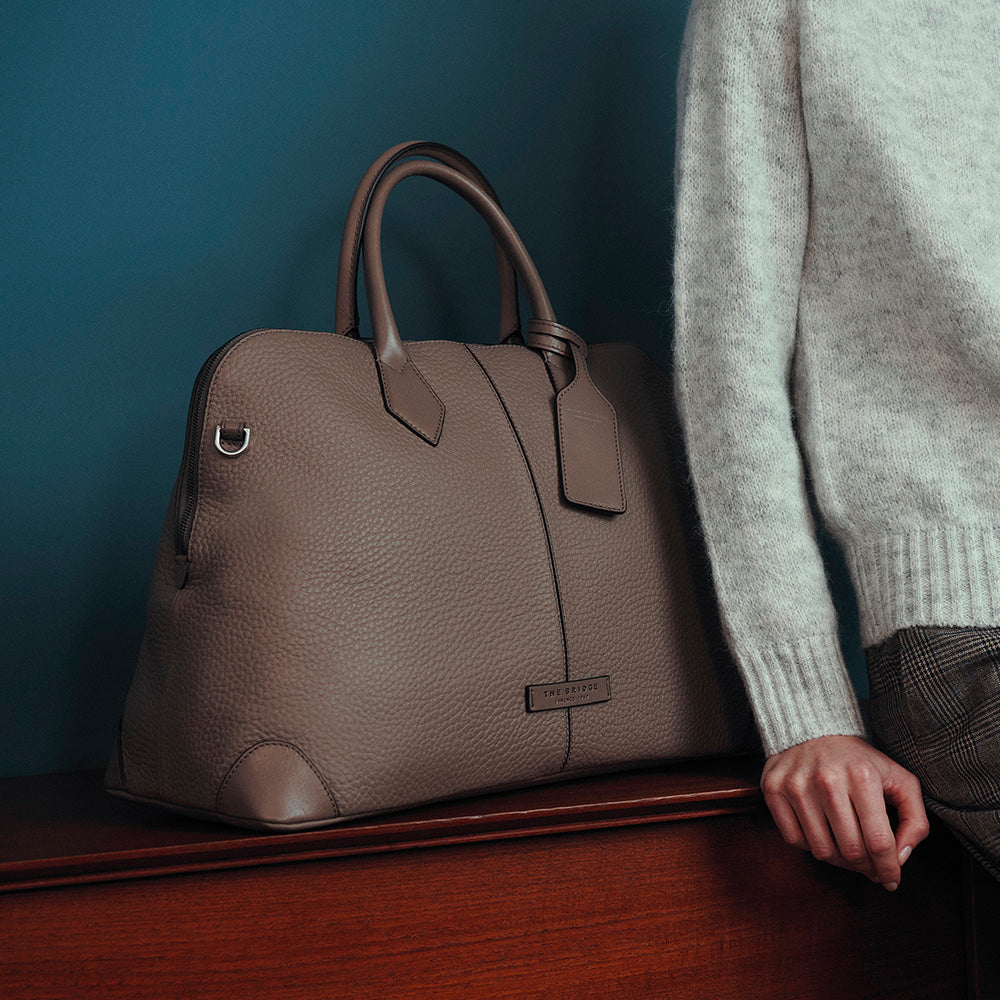
The structured shape recalls the travel and professional bags of the 19th century, designed to protect and organize everything one carried. Today it keeps that same practicality in a size made for everyday life.
-
Clutch: the freedom of the 1920s
Small, flat, and carried in the hand or under the arm, the clutch enjoyed particular success during the Roaring Twenties, becoming an expression of a freer feminine style. Hemlines rose, social occasions multiplied, and the clutch, minimal in size but refined in its details, became a staple of the flapper look, a symbol of the new femininity of the 1920s.
-
Crossbody and messenger bags: keeping your hands free
Their story is tied above all to a practical need: carrying what you need without tying up your hands. It's a simple function, and it explains why the crossbody remains one of the most versatile styles today.
-
Bucket bag: a simple, roomy shape
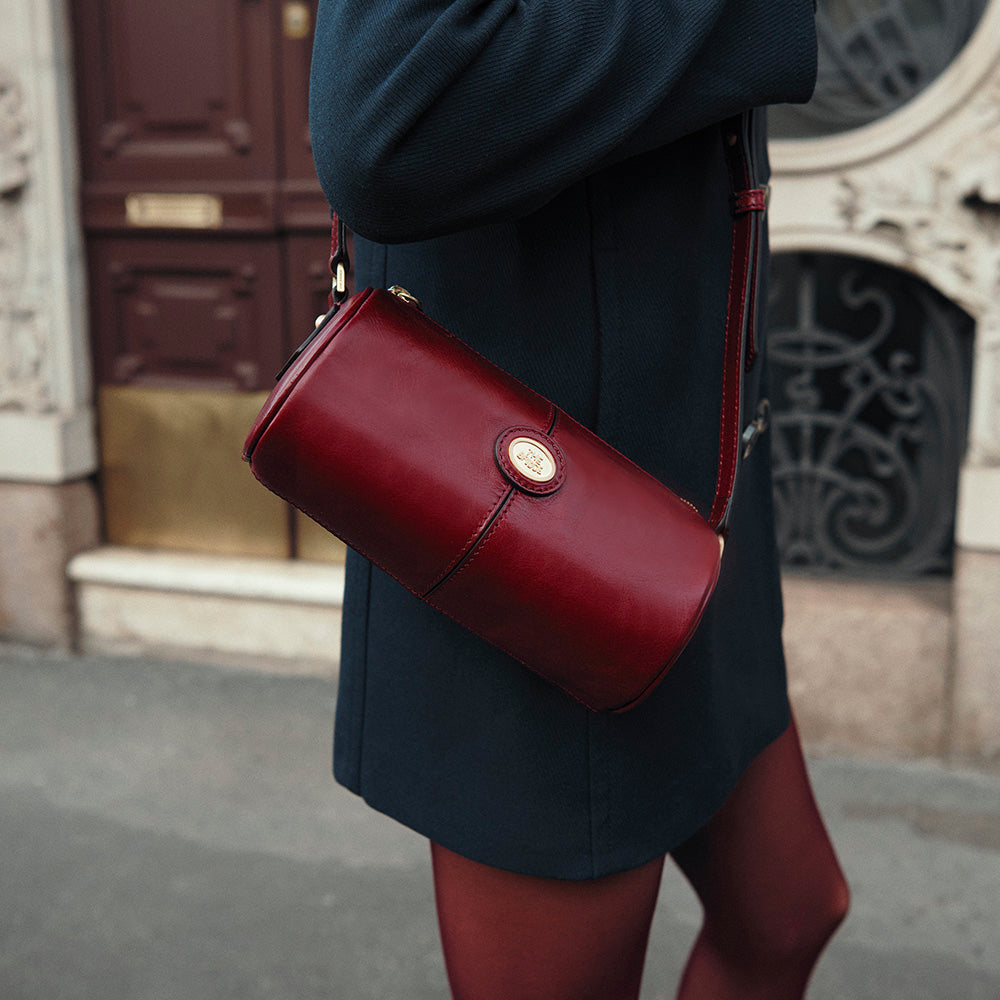
Its distinctive cylindrical shape, often soft and frequently closed with a drawstring, combines capacity and ease of use. It's a recognizable silhouette that, reinterpreted in different materials and proportions, has moved through changing trends while keeping its character.
-
Top-handle bag: the structured elegance of the postwar era
After World War II, structured styles with short handles and defined silhouettes took center stage once again. The top-handle handbag became an expression of a more formal elegance, a mark it still carries today.
Every style has its own name and its own story. To get to know them better and learn to tell them apart, take a look at our guide to bag names, where we walk through them one by one.
How to choose a bag that will last for years
History teaches us that the bags that have endured share one trait: they were created to meet a real need. So before you think about shape, ask yourself how you spend your days. If you're always on the go, a crossbody or messenger bag keeps your hands free. If you work in an office, a carry-all or a structured top-handle bag can help you keep documents and personal items organized.
Next, look at the material. Quality leather, carefully crafted, can hold on to its beauty for a long time and develop a rich, nuanced color over the years, especially in the case of less treated leathers. Check the stitching, which should be even and durable, the edges, which should be neatly finished, and the hardware, which should feel solid.
Finally, care for your leather bags with a few simple habits: store your bag stuffed with paper inside a cotton dust bag, away from heat sources, and condition the leather a couple of times a year with a dedicated product. These small gestures add years to a bag's life and help preserve its beauty over time.
FAQs about the History of the Handbag
When was the women's handbag invented?
Women were already using bags and pouches in the Middle Ages. In the late 18th century, with the spread of the reticule, a new kind of purse took hold, carried in plain sight in the hand or on the wrist.
Why did women start carrying handbags?
Light, close-fitting Neoclassical gowns no longer allowed pockets to be hidden under skirts. The handbag became the solution for carrying personal belongings.
Why did women's clothing once have hidden pockets?
For centuries, women used pockets separate from their clothing, tied at the waist and usually hidden under their skirts. These roomy accessories held money, keys, and personal items. As slimmer silhouettes took hold in the late 18th century, small bags worn on the outside came into use as well.
When did the handbag become a fashion accessory?
As early as the 19th century, but it was in the 20th century, especially from the 1920s onward, that the handbag became an element of style and personal identity.
Which bag style is the most versatile?
A medium-sized leather crossbody adapts to many settings, from weekends to the workweek, and leaves your hands free.
Can a leather bag really last for many years?
Yes. A bag made from quality leather with careful craftsmanship can last for many years, especially when it's used and stored properly. Regular care helps limit wear.
Conclusion
From the medieval girdle pouch to pockets hidden beneath skirts, from the reticule to the great bags of the 20th century, the history of the handbag traces the evolution of fashion, of daily habits, and of women's place in society. The shapes we still carry today hold traces of practical needs, as well as shifts in taste and style. That's why a thoughtfully chosen bag, made from quality leather and carefully crafted, can stay with its owner for many years. In The Bridge collections, the Tuscan leather-making tradition continues to shape bags designed for everyday life, season after season.
There are no comments for this article yet.