



 Story
Story
 Laura
Laura
 Mia
Mia
 Magda
Magda
 Luce
Luce
 Martina
 Mina
Mina
 Pearl district
 Irene
Irene
 Federica
 Frida
Frida
 Lucrezia
 Mirra
Mirra
 Ida
Ida
 Monica
 Isadora
 Unica
Unica
 Fedora
 Berenice


 Story
Story
 Vespucci
 Galileo
 Matteo
 Mattia
 Manfredi
 Brunelleschi
 Duccio
 By material
 Leather suitcases
 Hardside luggage
 Softside luggage


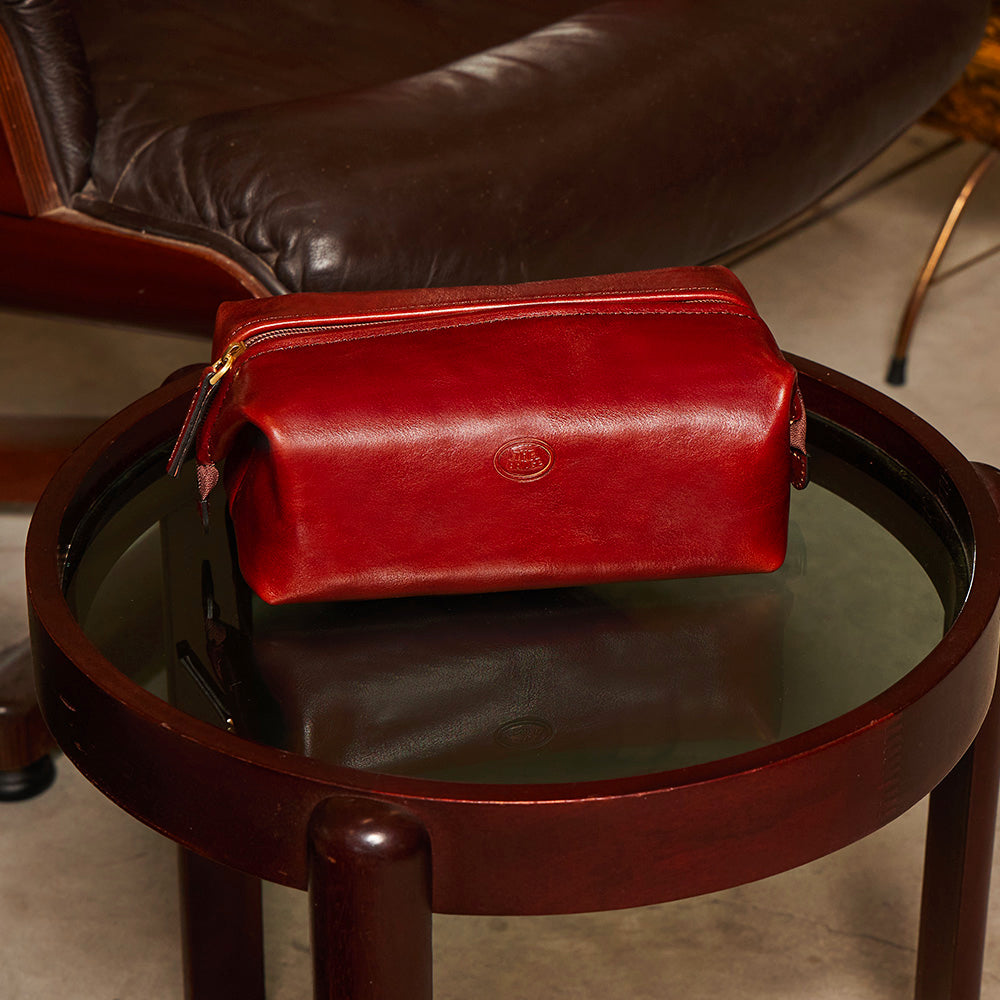


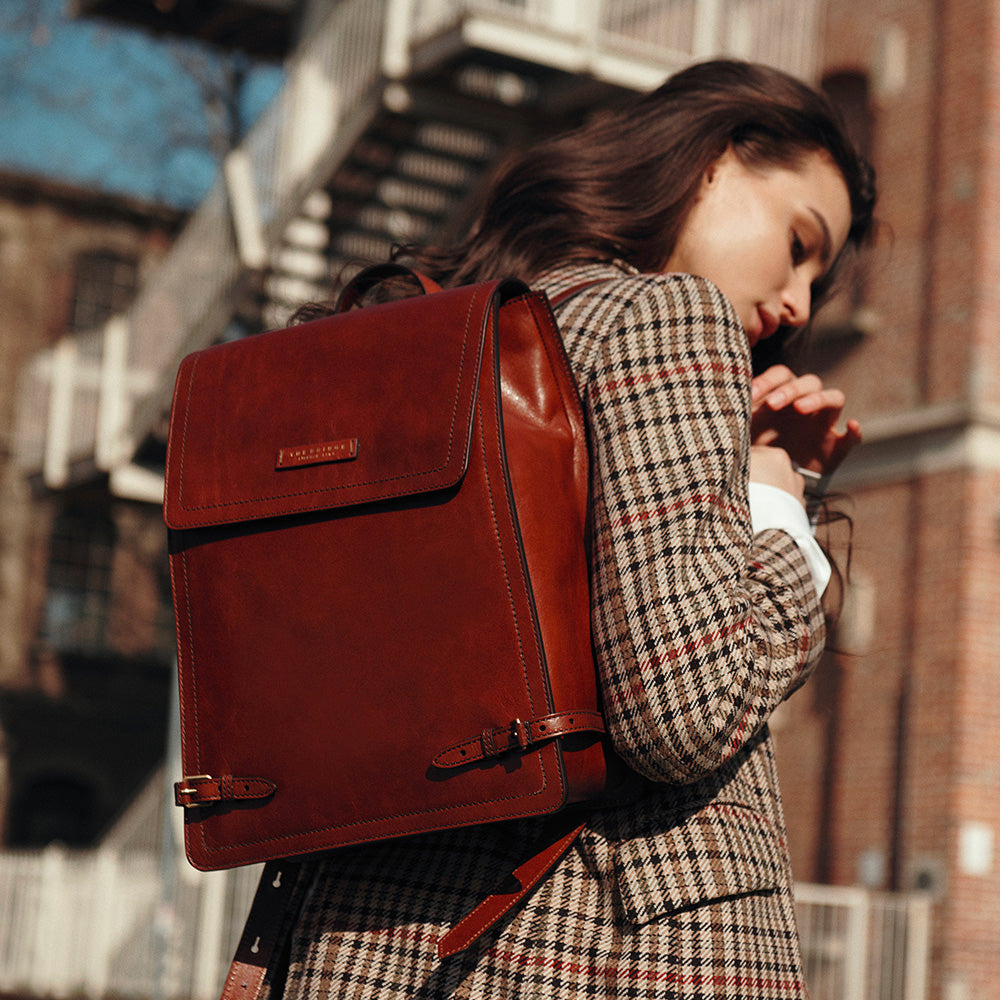
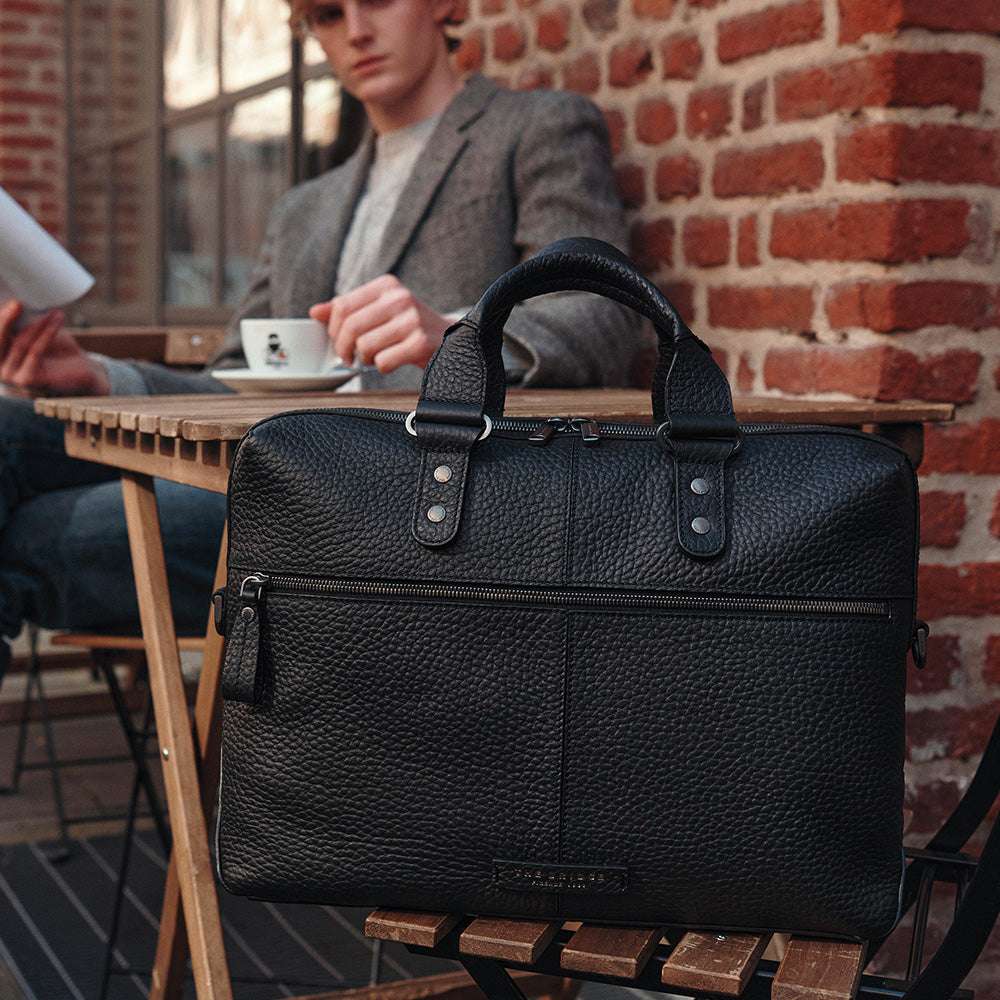
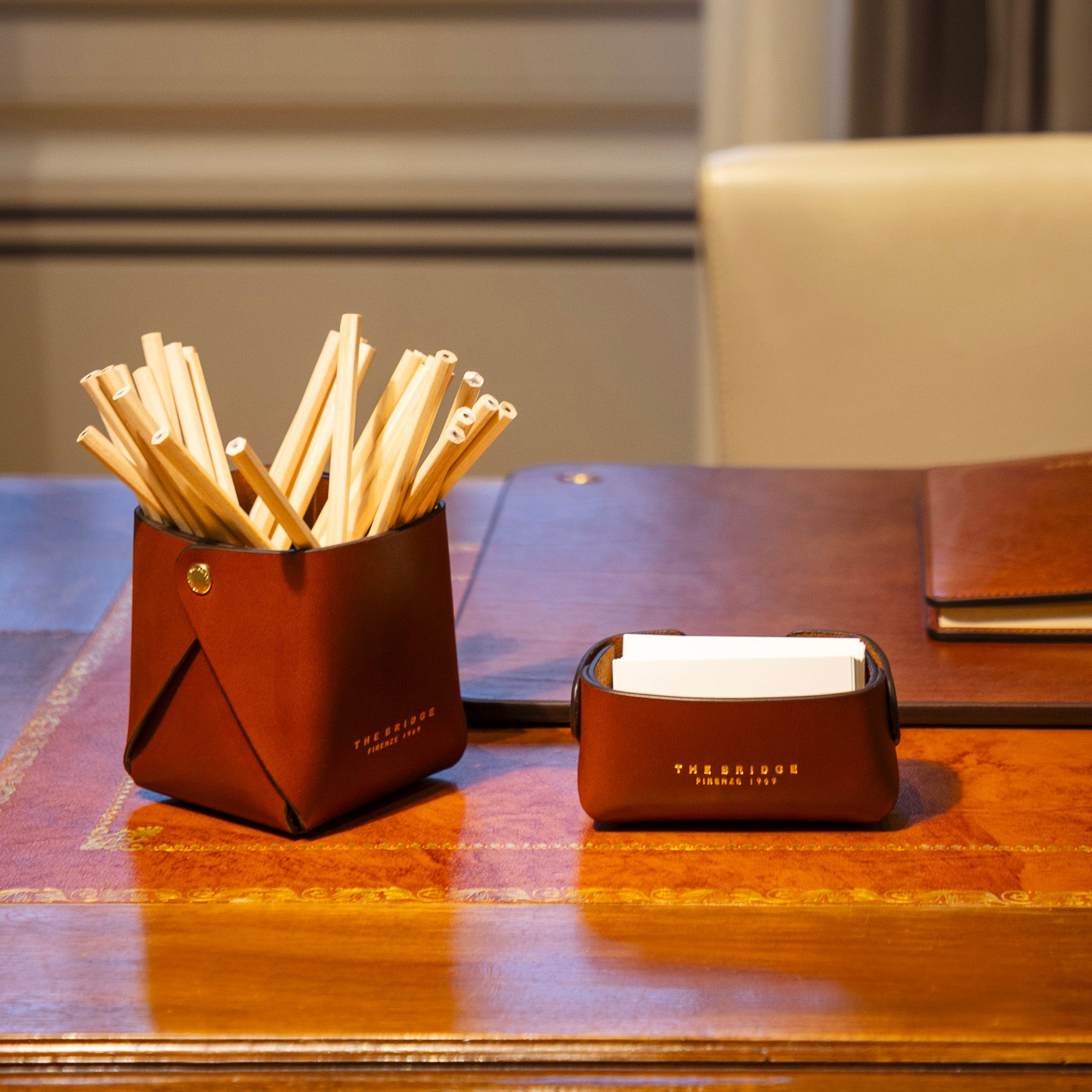
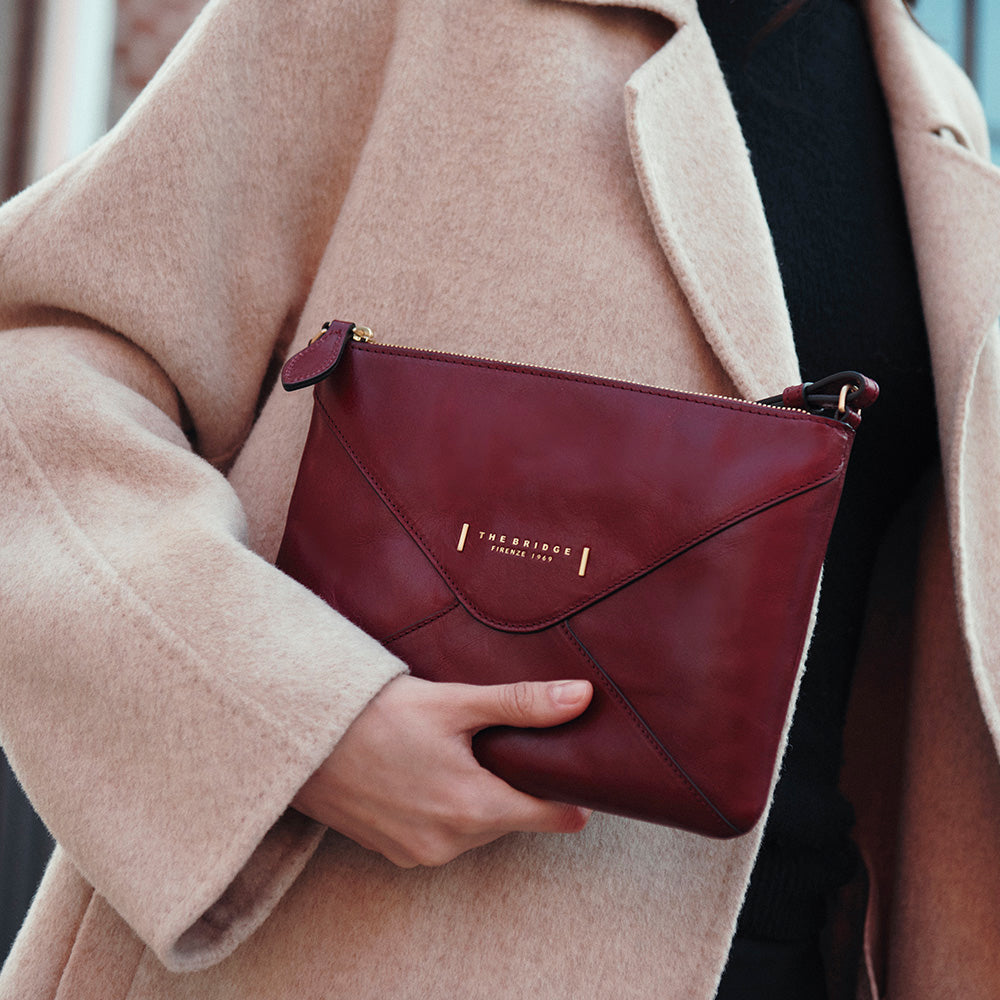
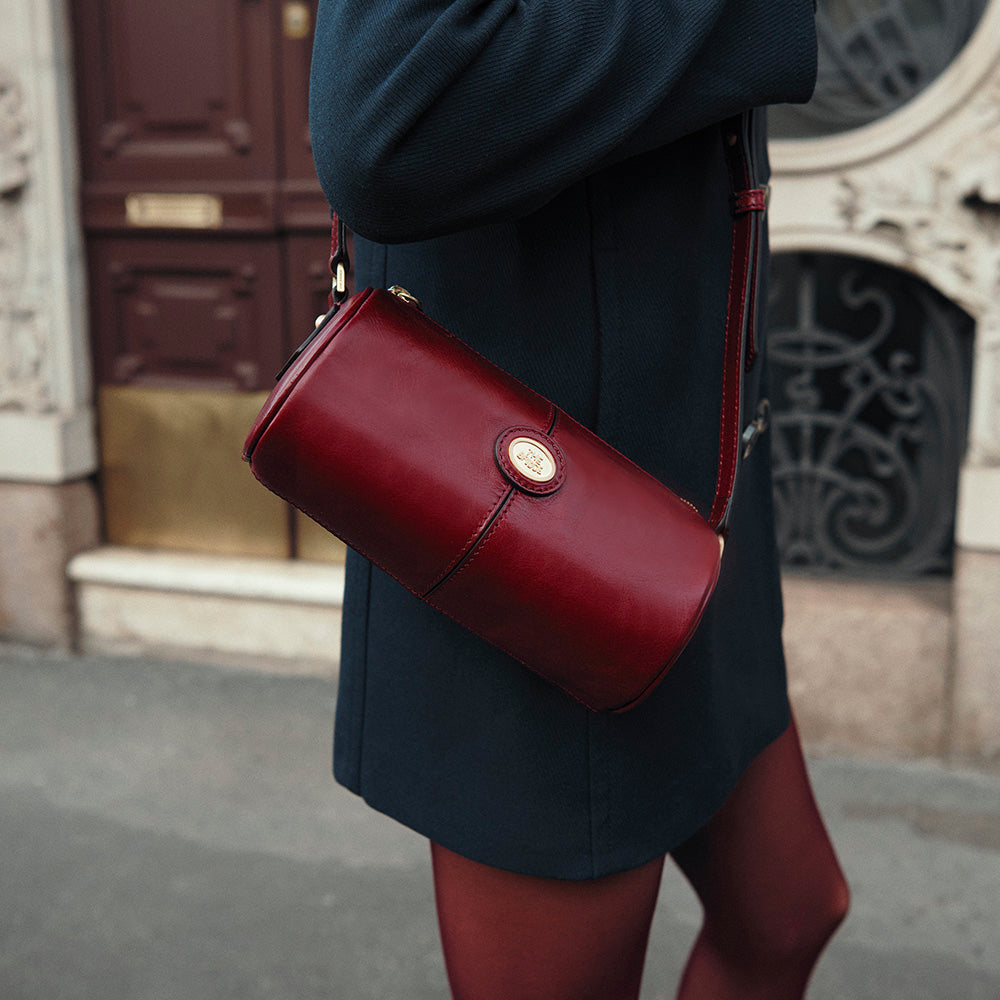
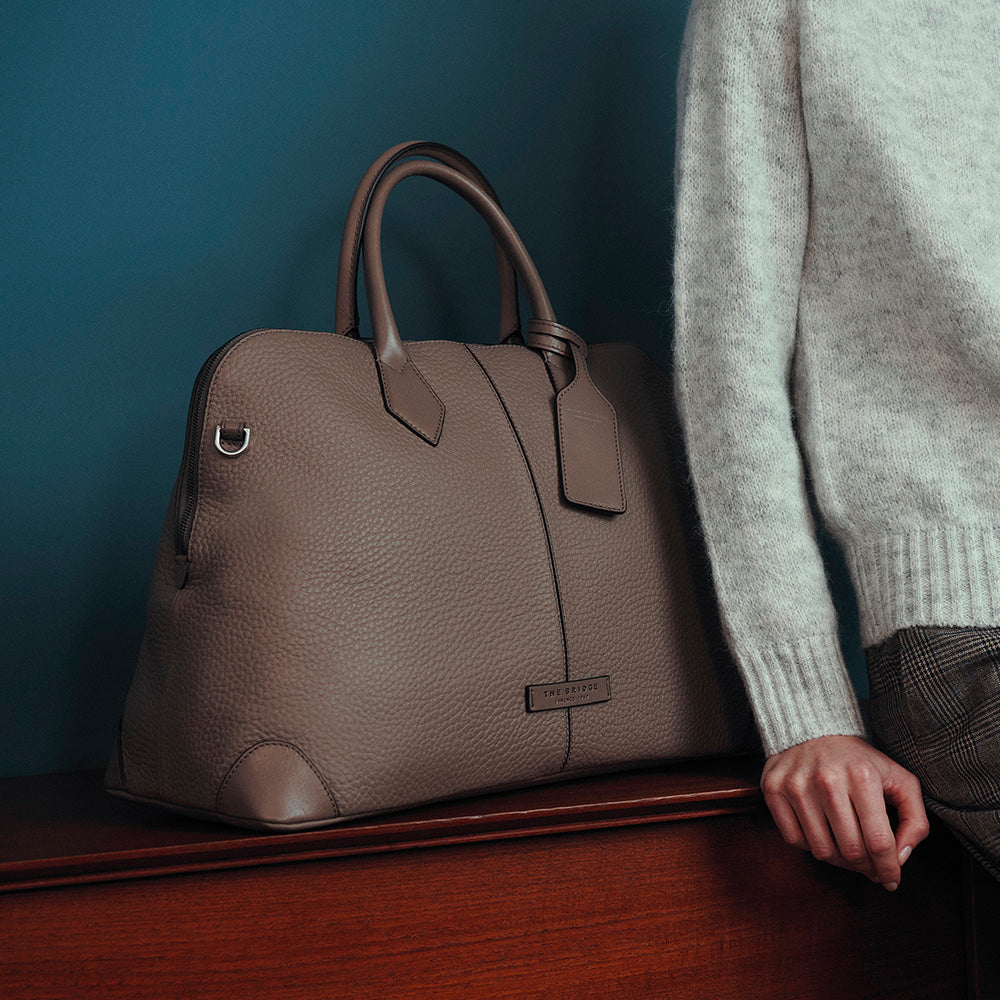


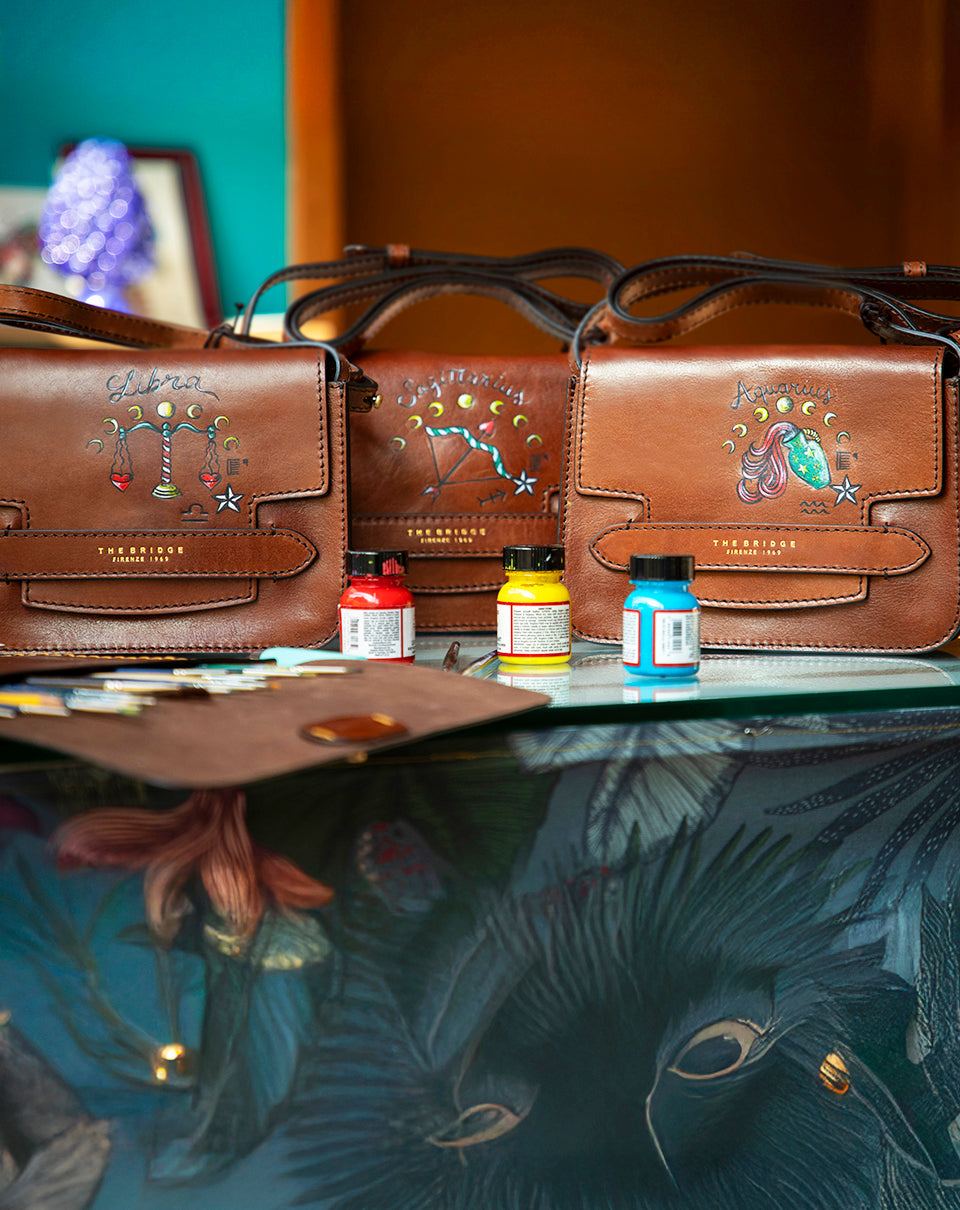
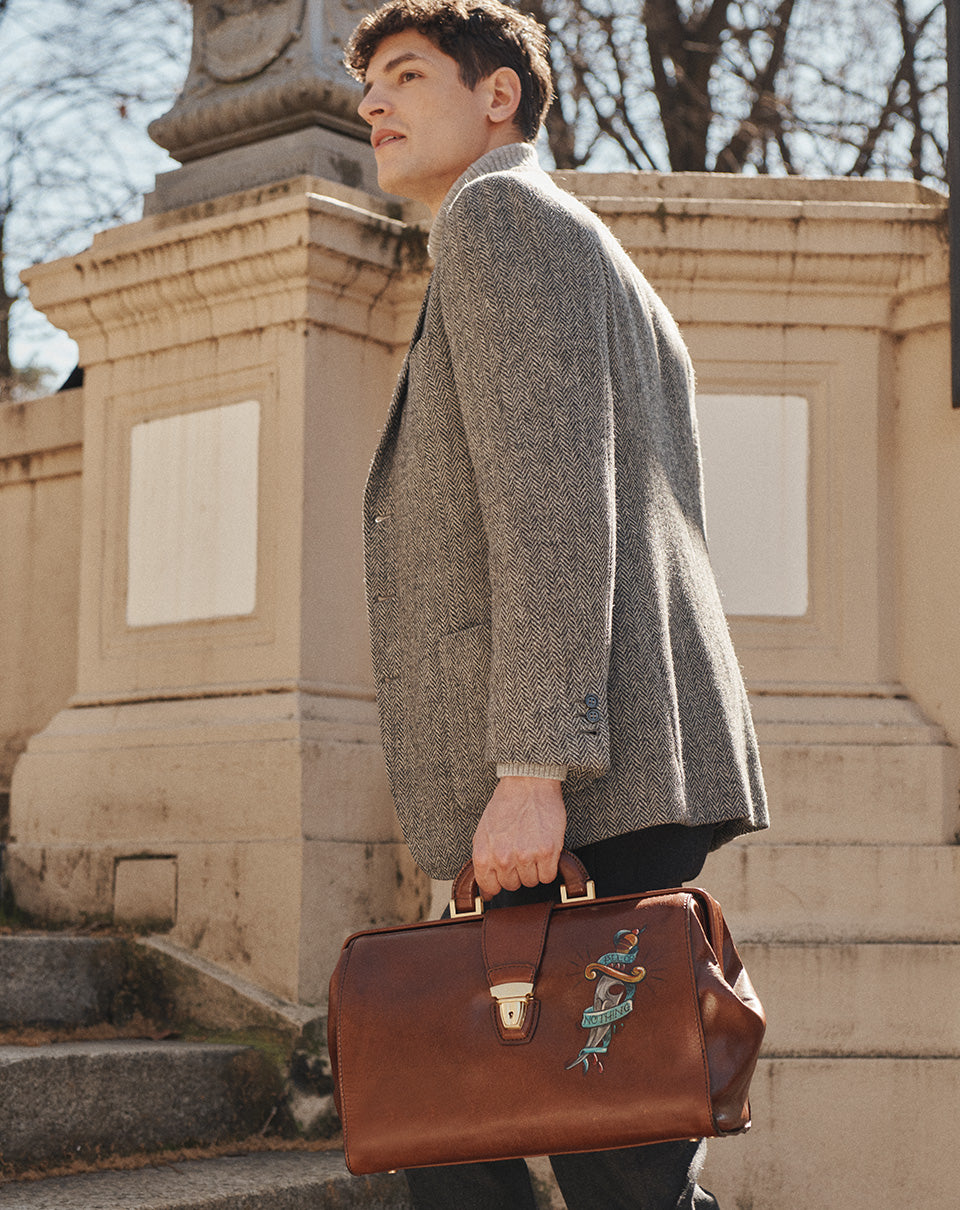

Leather bags are objects that tell stories. Over time, they absorb gestures, journeys, and habits, and like all things that live, they require attention and care.
However, improper storage can sometimes cause a white patina to appear on the surface.
In reality, this patina isn’t always mold: more often, it’s what’s technically known as repus, a common phenomenon in richly oiled vegetable-tanned leathers.
Repus is the surfacing and crystallization of the natural oils and fats contained in the leather, usually caused by thermal or environmental changes (humidity and temperature variations).
Knowing how to distinguish between repus and mold is essential to preserve the authentic charm and durability of a handcrafted accessory.
Why mold or repus forms on Leather Bags
Leather is a living, porous material that breathes and reacts to its surroundings.
In the case of mold, the main causes are excessive humidity, poor ventilation, or lack of regular cleaning.
In the case of repus, it’s a natural phenomenon caused by cold or sudden temperature changes, not by poor hygiene or storage.
The most common causes of mold
- Storing bags in humid or closed spaces, such as wardrobes without air circulation
- Exposure to heat sources followed by sudden drops in temperature
- Organic residues (like sweat or dust) that attract moisture
- Non-breathable storage bags or plastic covers
Repus, on the other hand, can appear even in well-preserved bags: it’s simply a sign of the richness of natural oils and waxes in vegetable-tanned leather — and it can be easily removed with warmth and a soft cloth.
How to remove the white patina from a leather bag: repus or mold?
Before proceeding, identify what you’re dealing with:
• If the patina has no unpleasant smell and feels waxy or greasy, it’s repus.
• If it smells musty and appears powdery or grayish, it’s mold.
Each case requires a different approach.
How to remove repus: the method recommended by The Bridge Experts
You’ll need:
• A soft-bristle brush
• A hairdryer (moderate heat, used from a distance)
• A soft cloth, preferably wool
Steps:
- Gently brush the surface to remove any excess grease or residue.
- Warm the leather gently with a hairdryer held at a distance: the heat melts the greasy patina, allowing the leather to reabsorb it naturally.
- If needed, rub gently with the cloth in circular motions to help the process.
- Let it cool naturally in the open air.
How to treat real mold
If the anti-repus treatment doesn’t work and you’re facing an actual mold problem, proceed with great care — this should be used only as a last resort.
You’ll need:
• White vinegar or apple vinegar
• Distilled water
• A soft cloth
Steps:
- Mix one part vinegar with one part distilled water.
- Lightly dampen the soft cloth with the solution and gently dab the affected areas (do not rub or soak).
- Let the bag dry in a ventilated area, away from heat or direct sunlight.
This natural remedy has antibacterial and antifungal properties, but it may not always be fully effective.
And remember, never soak your bag in water or put it in a washing machine — a surprisingly common mistake that can permanently damage the leather.
Nourishing the leather after cleaning
After removing mold or repus, the leather may look dry.
Apply a small amount of neutral cream or leather conditioner in circular motions.
This restores softness, sheen, and protection from future wear.
For best results, rely on The Bridge leather care kit, which includes a microfiber cloth, neutral balm, and sponge: everything you need for a gentle, respectful treatment.
How to Remove Mold Inside the Bag
Mold can also form inside the bag, especially if it’s lined.
Recommended procedure:
1. Empty the bag completely.
2. Use dry cloth or a small handheld vacuum to remove dust.
3. Prepare a solution of distilled water and a teaspoon of baking soda.
4. Dab gently without soaking the fabric.
5. Leave the bag open in a ventilated area for 24 hours.
To neutralize any lingering odors, place a small linen pouch filled with baking soda or coffee beans inside.
How to prevent mold on leather bags
Taking care of a leather bag doesn’t end with cleaning.
Prevention is key to preserving the material’s quality and beauty over time.
1. Proper Storage
- Store the bag in a dry, ventilated place, away from heat sources.
- Use breathable dust bags, never plastic.
- Stuff the inside with tissue paper or cotton fabric to help maintain its shape.
2. Regular Checks
- Inspect bags you don’t use often.
- A quick wipe with a dry cloth every month helps prevent moisture buildup and mold formation.
3. Avoid Humidity
- Use dehumidifying salts or silica gel sachets in closets or storage boxes to absorb excess moisture.
How to eliminate musty odors from leather
Even after cleaning, an unpleasant smell may linger.
Here are some natural remedies that can help:
• Baking soda: Place the bag in a fabric pouch or box with a small bowl of baking soda. Leave it closed for 24 hours.
• Air and light: A few hours in a dry, well-ventilated place are often the best natural deodorizer.
How to care for The Bridge bags: materials that embrace time
Every The Bridge bag is made from vegetable-tanned leather, a living material that becomes more beautiful with age.
The appearance of repus is a mark of authenticity, not a flaw — it reflects the richness of the natural waxes and oils that protect Tuscan leather.
Cleaning should therefore be slow, gentle, and respectful, like every artisan gesture.
A soft cloth, a little warmth, and mindful care are all you need to preserve the character of the material.
FAQ – About removing mold and repus from leather bags
How can I remove the white patina from a leather bag naturally?
If it’s repus, use a soft cloth, a brush, and a hairdryer from a distance to melt it.
If it’s real mold, use a mild water-and-vinegar solution as a last resort.
Can I use alcohol to remove mold?
No. Alcohol dries out and discolors leather. It’s best to stick to natural, gentle methods.
How can I prevent repus from returning?
Store your bag in a dry, stable environment, away from temperature changes, and use breathable dust bags.
How can I prevent mold from returning?
Keep the bag in a dry place, use breathable covers, and add moisture-absorbing salts.
Can I dry leather in the sun?
No, direct sunlight is strongly discouraged: it can alter the color.
Let the bag dry naturally in a shaded, ventilated area.
What if the mold is widespread?
If mold has deeply penetrated the leather, contact a professional cleaning service specialized in leather goods to prevent irreversible damage.
Conclusion: care as a gesture of beauty
Removing mold or repus from a leather bag is not just maintenance — it’s an act of respect for a precious, living material.
Knowing the difference between mold and repus allows you to treat your bag properly, preserving the beauty of vegetable-tanned leather.
In the world of The Bridge, beauty is not born from perfection, but from time and dedication.
A well-cared-for bag, loved and protected, will continue to tell its story… year after year, journey after journey.
There are no comments for this article yet.