
 Story
Story
 Laura
Laura
 Mia
Mia
 Magda
Magda
 Luce
Luce
 Martina
 Mina
Mina
 Pearl district
 Irene
Irene
 Federica
 Frida
Frida
 Lucrezia
 Mirra
Mirra
 Ida
Ida
 Monica
 Isadora
 Unica
Unica
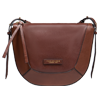 Fedora
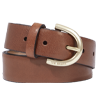 Berenice
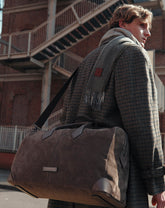
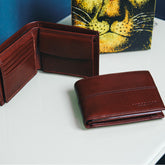
 Story
Story
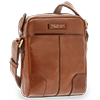 Vespucci
 Galileo
 Matteo
 Mattia
 Manfredi
 Brunelleschi
 Duccio
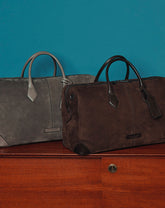
 By material
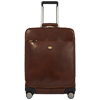 Leather trolleys
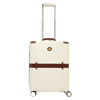 Hard case trolleys
 Fabric trolleys

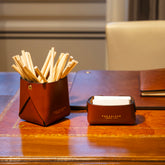


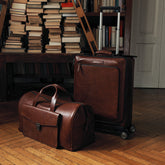

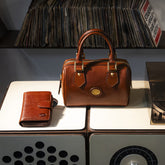


Which Leather for Which Bag: A Guide to Materials
Choosing a leather bag means choosing a material designed to stand the test of time, daily use, and personal style. Leather evolves, adapts, and records gestures and habits. Not all leather responds in the same way: each type has specific characteristics that make it more suitable for a particular bag design and intended use.
This guide to materials was created to help you navigate your choice, understanding which leather is most appropriate based on the bag’s function, the context in which it will be used, and the expectations you have over time.
Table of Contents
- Why the type of Leather makes a difference
- Smooth Leather: elegance and versatility
- Pebbled Leather: character and durability
- Vegetable-Tanned Leather: charm and authenticity
- Suede and Nubuck: Softness and Delicacy
- Regenerated or Treated Leather: when functionality and consistency matter
- How to choose leather based on bag use
- Frequently Asked Questions about leather types for bags
Why the type of Leather makes a difference
Leather is not a uniform material, either in origin or in processing. Each type reacts differently to daily wear, the passage of time, and the care it receives. Durability, softness, aesthetic appeal, and the ability to evolve over time depend on how the leather is selected, tanned, and finished.
Understanding these differences allows for a more informed choice, helping you find the right balance between aesthetics and functionality and avoiding expectations that do not align with the bag’s real use.
Smooth Leather: elegance and versatility
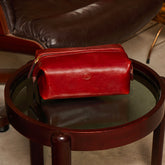
Smooth leather is one of the most widely used and appreciated options for its compact and uniform surface. It can be finished in a more or less natural way, yet it always maintains a neat appearance.
It is particularly suitable for:
- men’s work bags
- structured briefcases and shoppers
- designs with a classic aesthetic
It offers a good balance between elegance, durability, and ease of maintenance, making it suitable for everyday use.
Pebbled Leather: character and durability
Pebbled leather stands out for its visible grain, created through a process that adds depth to the surface.
This texture is not just an aesthetic choice but also a practical one: it makes the leather more tolerant of signs of wear and small imperfections that develop over time.
For this reason, it is often chosen for roomy bags, daytime styles, and accessories designed for frequent use.
It combines strength and personality, maintaining a polished appearance even after prolonged use.
Vegetable-Tanned Leather: charm and authenticity
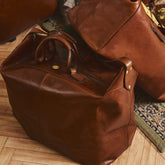
Vegetable tanning uses natural tannins and traditional processes. The result is a living, responsive leather that reacts to light and use, developing a unique character.
It is particularly suitable for:
- classic-style bags
- iconic designs
- accessories intended to last for years
It requires greater attention, but in return offers an authentic and deeply personal aesthetic.
Suede and Nubuck: softness and delicacy
Suede and nubuck are recognizable for their velvety, matte surface, which is extremely pleasant to the touch.
However, this very feature also makes them more delicate than other types of leather.
They are suitable for bags intended for specific occasions or seasonal use, where care and attention are part of the experience.
They are not ideal for intensive daily use, especially in urban settings, but they offer a refined and distinctive aesthetic.
Regenerated or treated Leather: when functionality and consistency matter
Some bags use treated or regenerated leathers to ensure greater color consistency and long-term stability.
These materials are designed to provide a more controlled and predictable appearance, reducing the variations typical of more natural leathers.
This type of leather works well for practical designs, work or travel bags, and dynamic use, where functionality and aesthetic consistency take priority over the material’s natural evolution.
How to choose leather based on bag use
The choice of leather should always start with the intended use of the bag.
It is important to consider how often it will be used, the context in which it will accompany daily life, and the relationship you want to have with time and visible signs of wear.
A more structured and durable leather is ideal for everyday and professional use, while a more natural or delicate leather is better suited to specific moments and to those who appreciate the material’s aesthetic evolution over time.
There is no universally right choice, only the one that best fits individual needs.
Frequently Asked Questions about leather types for bags
What is the most durable leather for an everyday bag?
Pebbled or embossed leather and some structured smooth leathers offer good resistance to daily wear, maintaining a neat appearance over time.
Is leather that changes color over time a defect?
No. In the case of vegetable tanning, the change is a natural characteristic and an integral part of the material’s value.
Are softer leathers less durable?
Not necessarily, but they are more sensitive to stains and marks. They require more careful maintenance and more targeted use.
Which leather requires the least maintenance?
Treated leathers, whether smooth or embossed, are generally easier to maintain compared to suede or very natural leather.
Can I use a delicate leather bag every day?
It is possible, but not always advisable. The ideal choice depends on the frequency of use and the willingness to care for it with greater attention.
Conclusion
Every leather tells a different story and responds to different needs. Choosing the right material means finding a balance between style, function, and time, accepting that leather evolves alongside the person who uses it.
The Bridge leather bags are born from a deep knowledge of materials and a vision that values quality, consistency, and lasting elegance.
Understanding the differences between leathers is the first step toward choosing a bag that truly accompanies everyday life.
There are no comments for this article yet.