



 Story
Story
 Laura
Laura
 Mia
Mia
 Magda
Magda
 Luce
Luce
 Martina
 Mina
Mina
 Pearl district
 Irene
Irene
 Federica
 Frida
Frida
 Lucrezia
 Mirra
Mirra
 Ida
Ida
 Monica
 Isadora
 Unica
Unica
 Fedora
 Berenice


 Story
Story
 Vespucci
 Galileo
 Matteo
 Mattia
 Manfredi
 Brunelleschi
 Duccio
 By material
 Leather trolleys
 Hard case trolleys
 Fabric trolleys




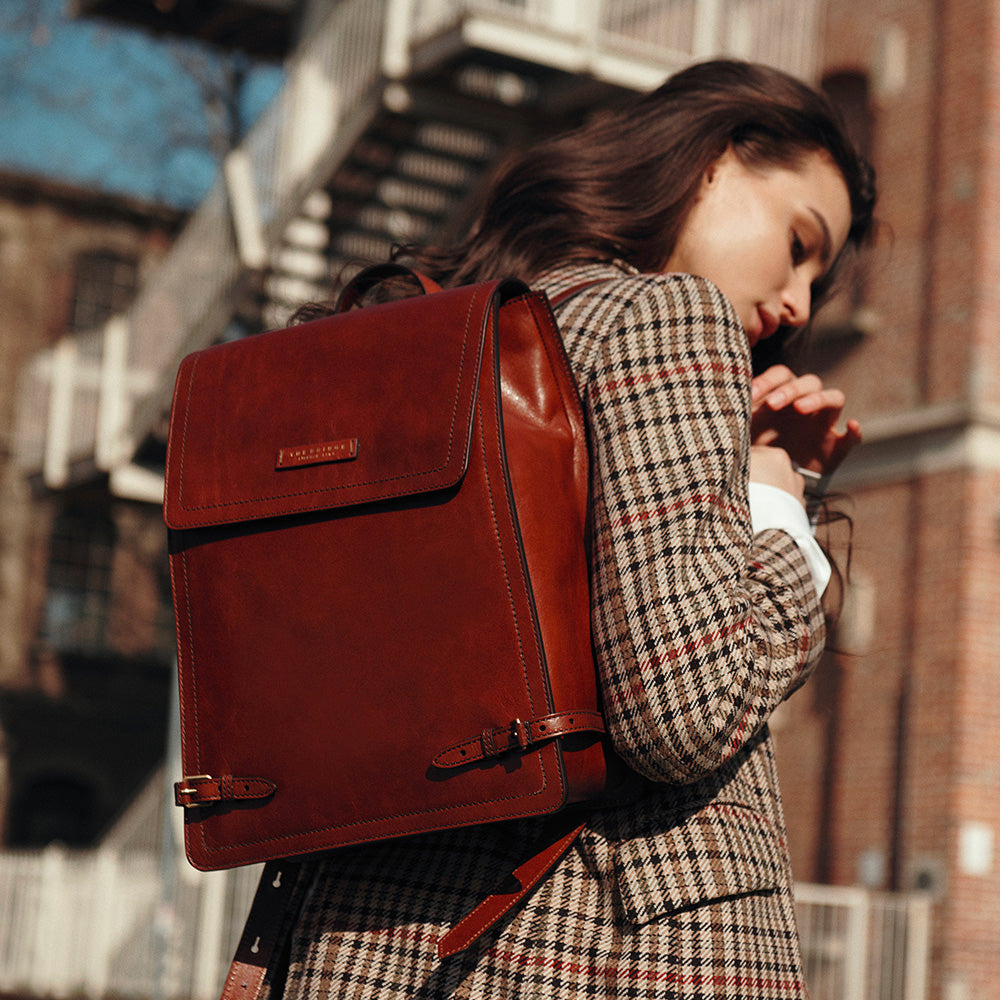
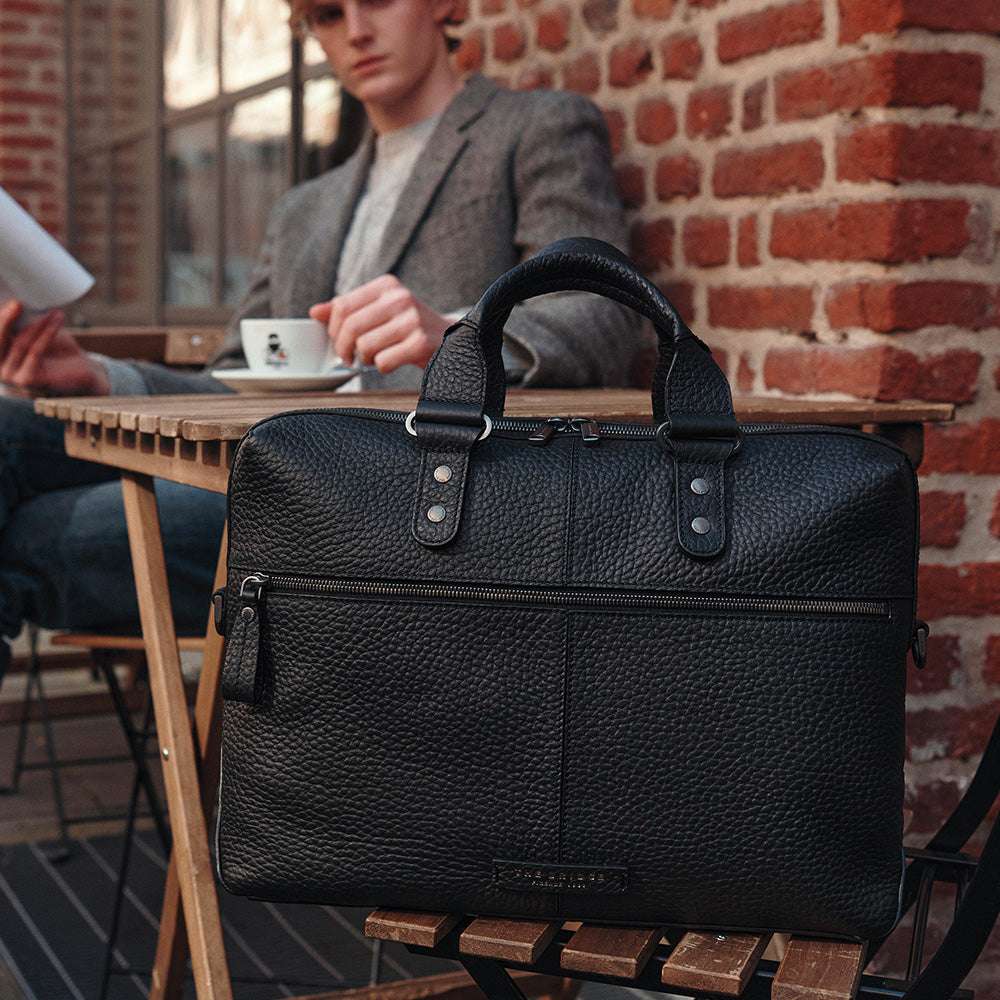
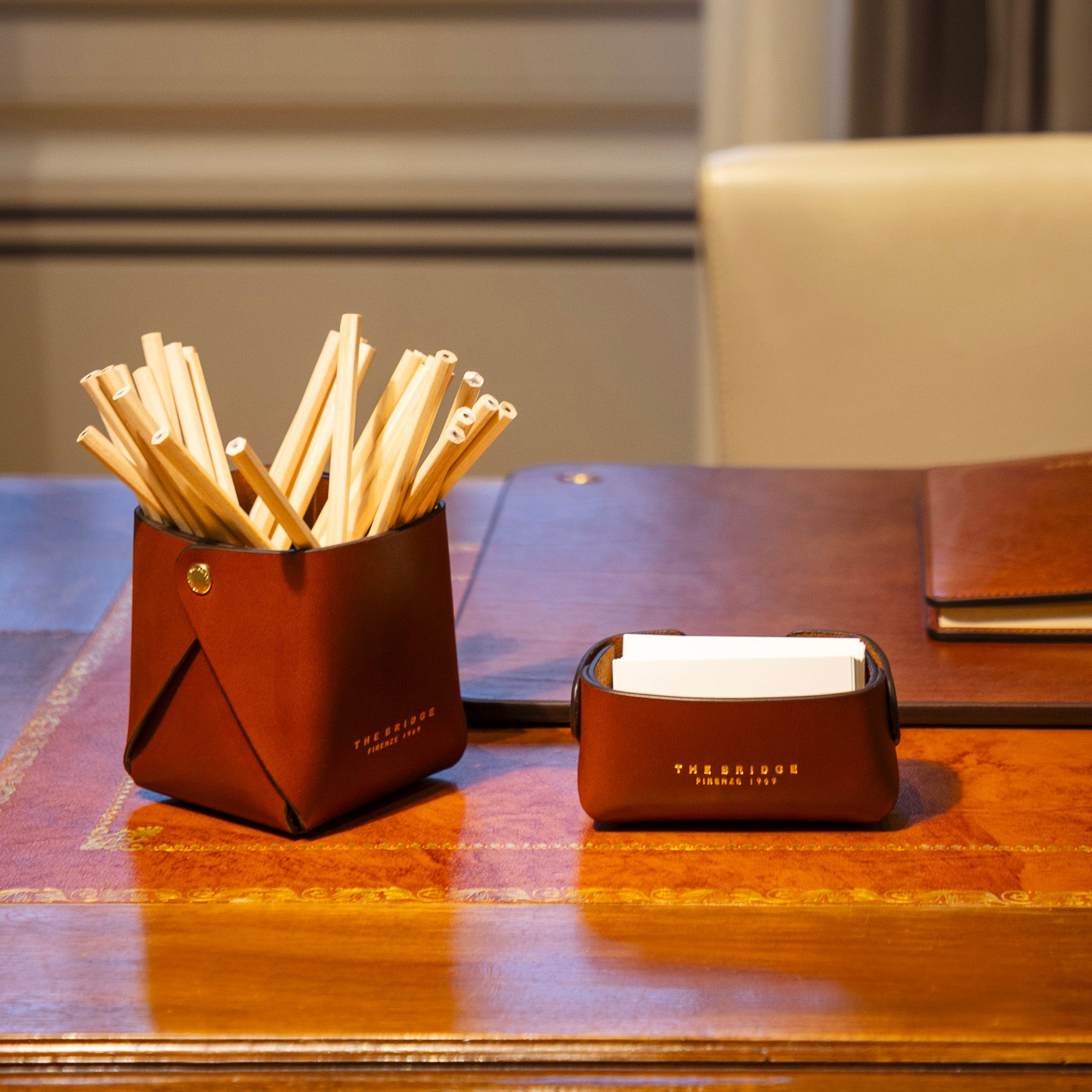
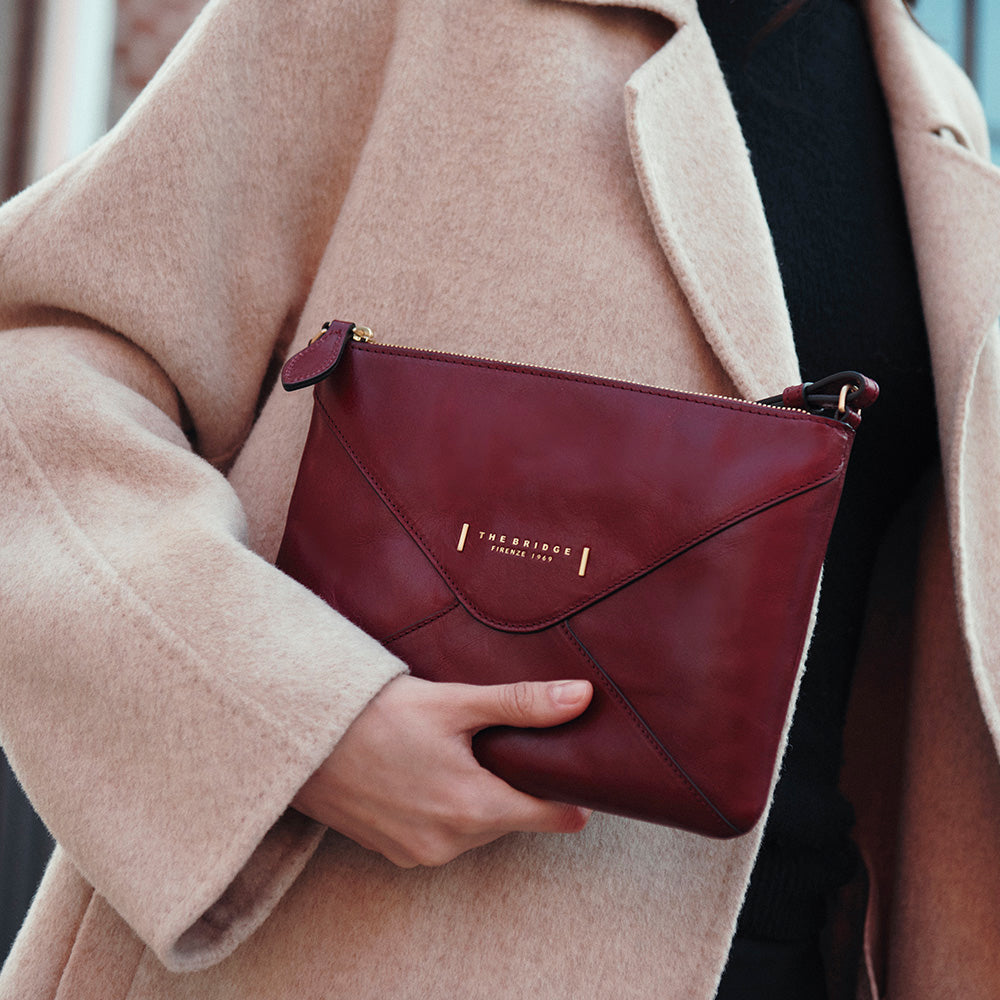
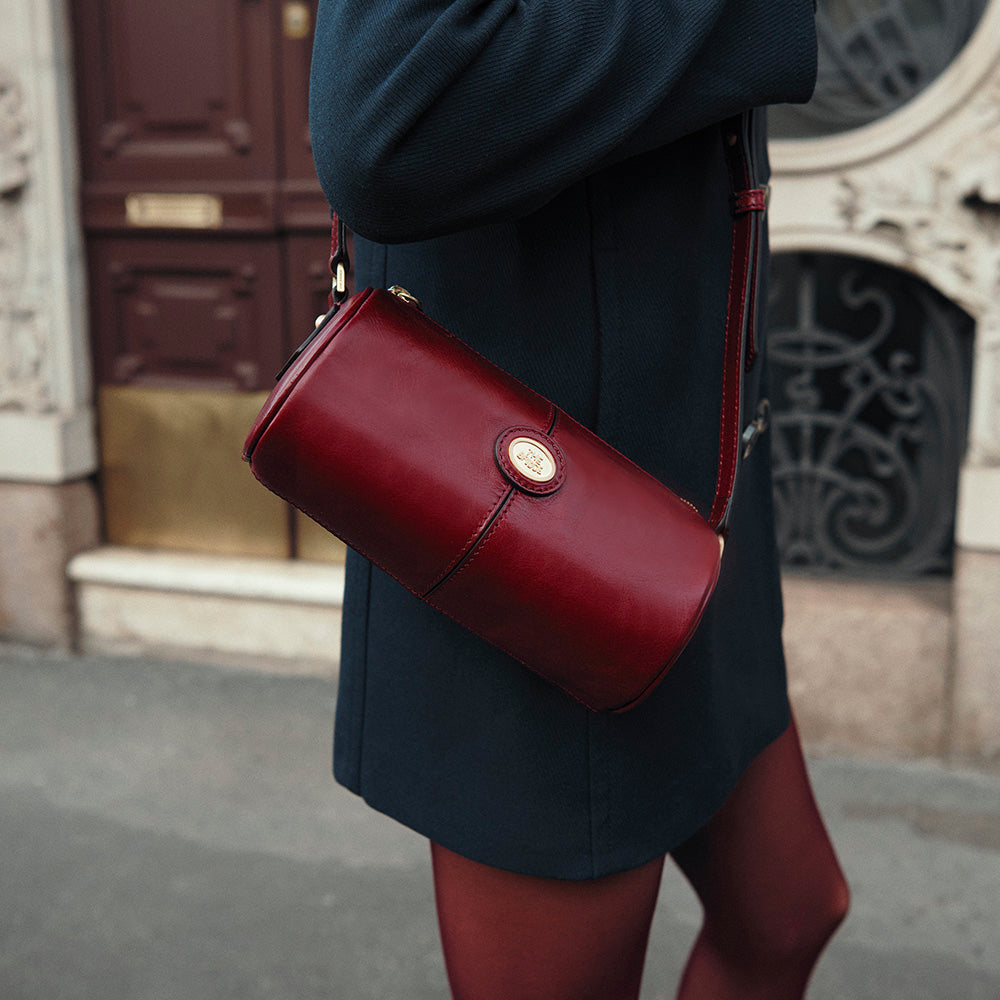
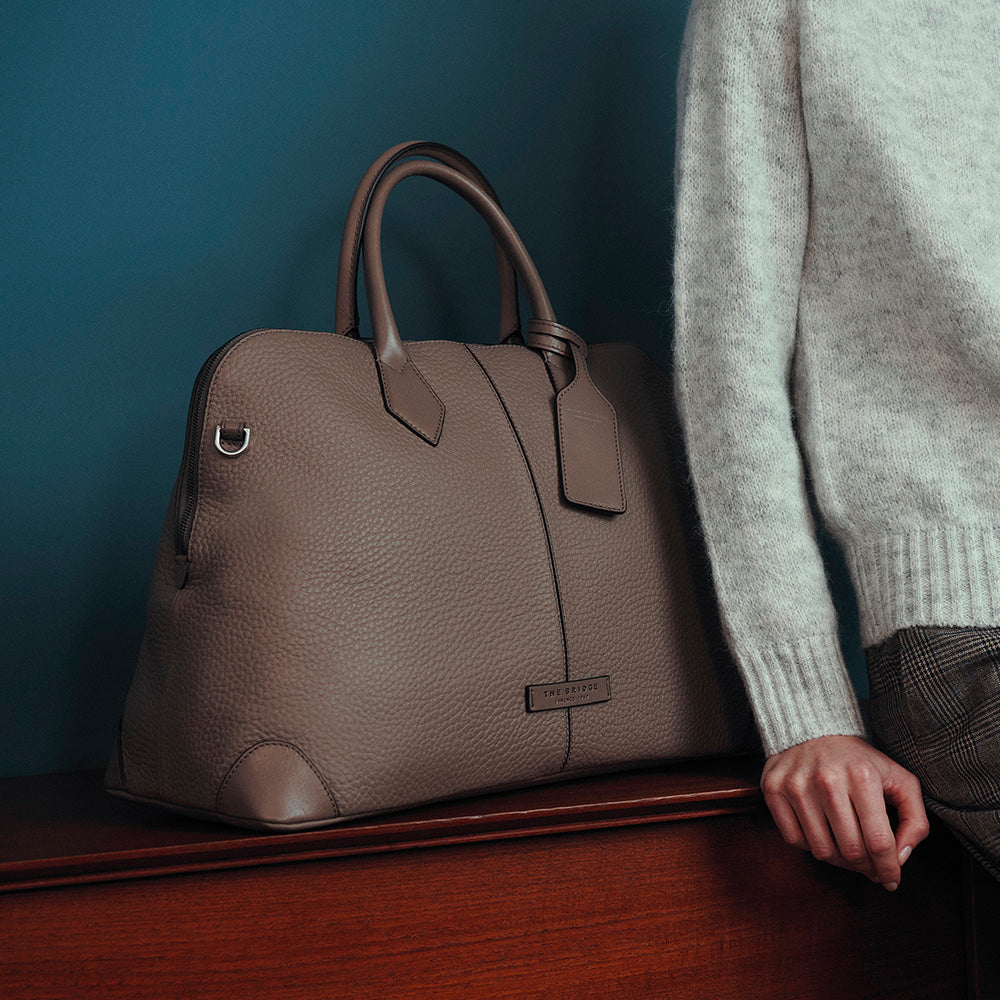


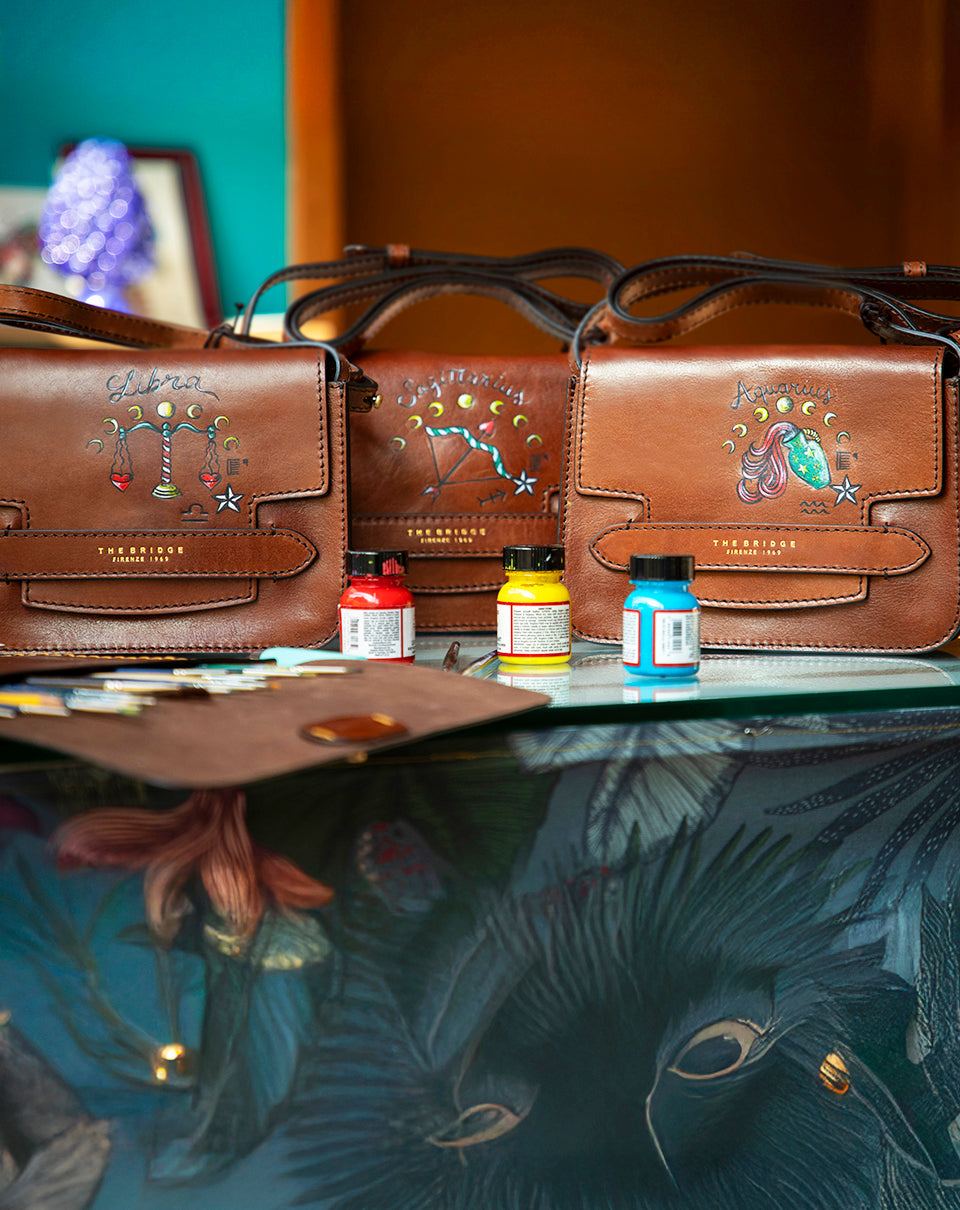
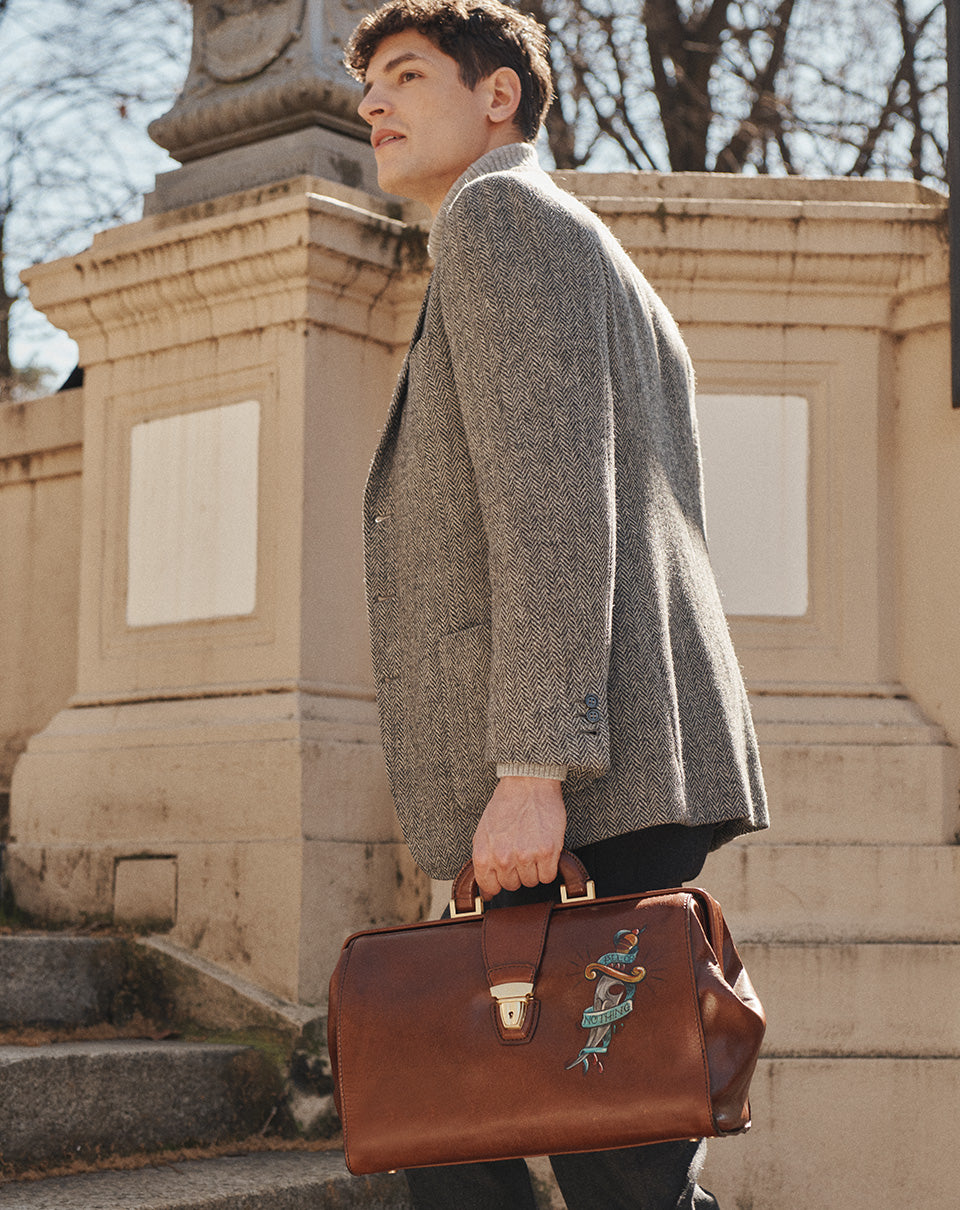

A leather bag is never just an accessory. It is the result of slow gestures, of skilled hands, of a living material that keeps evolving even after leaving the workshop. This is precisely why knowing how to store leather bags is an act of care that extends the life of an object meant to last.
You need no complicated tools or elaborate rituals: a few consistent attentions, learned once and repeated calmly, are enough. In this article we gather practical, real-world advice on caring for your bags the right way, day after day, season after season.
Table of Contents
- Why leather deserves special attention
- How to store leather bags: the essential rules
- Where to keep your bags: the ideal environment
- Seasonal storage of leather bags
- Mistakes to avoid
- FAQ – Frequently asked questions about how to store leather bags
Why leather deserves special attention
Leather is a natural material, and like all natural materials it breathes, adapts and reacts to the environment around it. It absorbs moisture when the air is saturated, dries out when the climate is too dry, and changes tone if exposed to direct light for a long time.
It is precisely this sensitivity that makes it precious. A leather bag tanned with traditional methods, such as one worked according to the ancient Tuscan vegetable tanning, gains character with use: the marks of time are not flaws, but part of its story. Storing it well means accompanying this evolution. It means allowing the leather to age gracefully, keeping its softness, shape and depth of color intact.
How to store leather bags: the essential rules
Before putting a bag away, even for just a few weeks, it is worth devoting a few minutes to it. It is a small ritual that pays off overtime.
Cleaning before rest
A bag should never be put away dirty. Dust, traces of rain or residue from daily use, if left to act for a long time, can penetrate the fibers and alter the surface.
The right gesture is simple: wipe a soft and dry cloth over the entire surface, working gently into the corners and along the seams. If the leather looks dry, you can apply a small amount of a specific nourishing cream, always tested first in a hidden spot, spreading it with circular movements and letting it absorb slowly. The interior deserves attention too: empty the bag completely, turn it carefully upside down and remove crumbs and dust from the lining.
You can find plenty of tips on how to clean leather bags to perfection in this article.
Keeping its shape over time
An empty bag tends to sag, and the creases that form can become permanent. To prevent this, the inside should be filled with unprinted tissue paper, free of inks that could transfer onto the lining. The right amount is the one that supports the structure without stretching it: an over-stuffed bag deforms just as much as one left empty.
Handles and shoulder straps should be left in their natural position, never folded under the weight of the bag itself. If the strap is removable, it is better to detach it and store it flat, inside the bag or beside it.
Where to keep your bags: the ideal environment
The place where a bag rest matters as much as the way it is prepared. Leather prefers cool, dry, well-ventilated environments, away from direct heat sources such as radiators and from sunlight, which over the months can lighten the color unevenly.
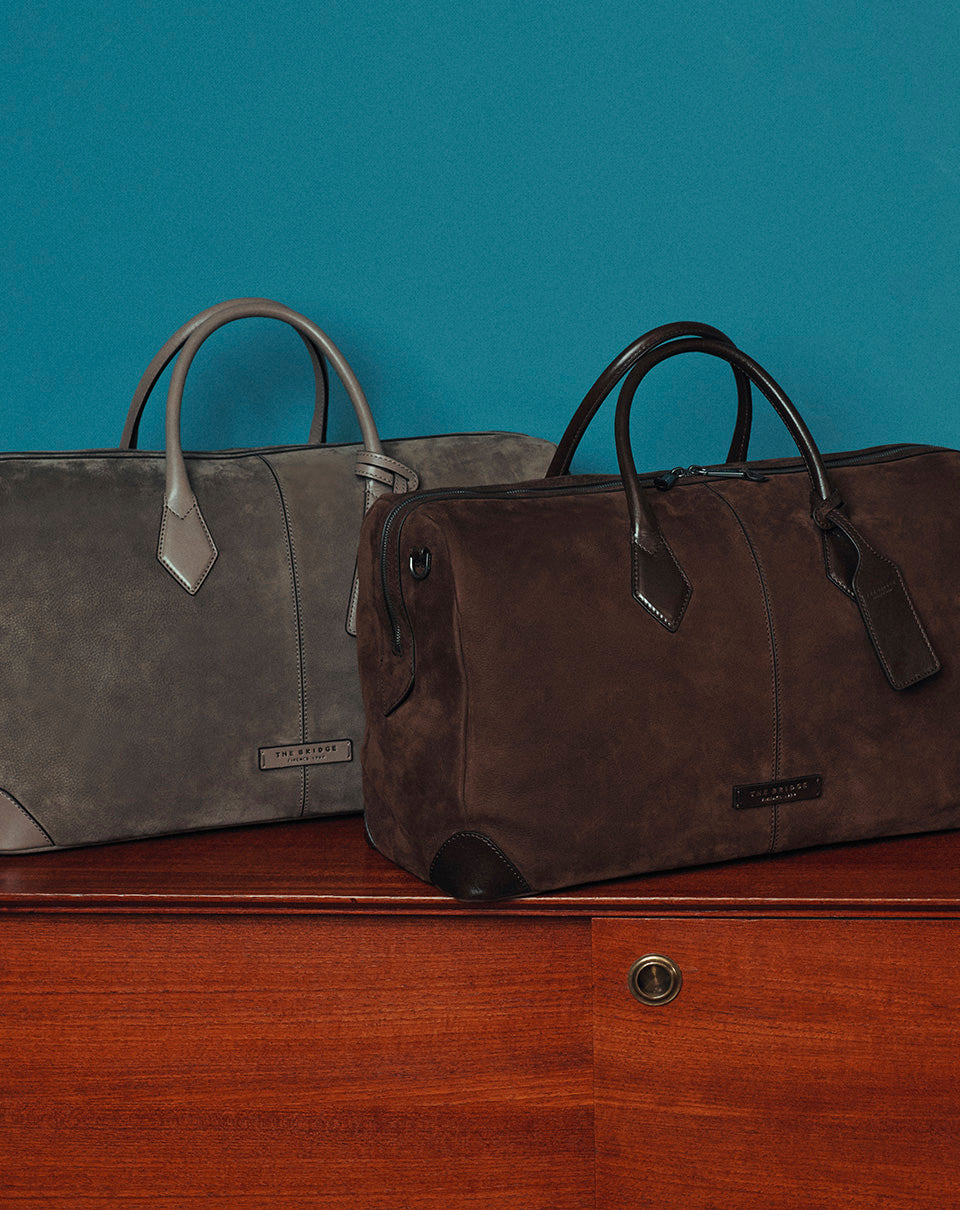
The best ally is the breathable fabric pouch, the classic cotton dust bag that comes with every quality bag. It protects against dust while letting air circulate, unlike plastic bags that trap moisture and can encourage the appearance of mold.
In the wardrobe, the bag should be placed upright on a shelf, never hung by its handles: over time, the weight stretches and deforms them. If you have more than one bag, it is better not to stack them or press them against one another; each needs its own space, like books in a well-kept library.
Seasonal storage of leather bags
Some bags accompany us all year round and others follow the rhythm of the seasons. When the time comes to put a bag away for months at a time, the care must be more thorough.
After cleaning and nourishing the leather, it is advisable to place an anti-humidity sachet inside the bag, to be replaced periodically, and to close zips and buckles halfway, so as not to strain either the leather or the metals. Metal parts, such as buckles and clasps, can be wrapped in tissue paper to prevent them from leaving marks by pressing on the leather for a long time.
Even while at rest, leather appreciates a little company: once or twice a season, it is worth taking the bag out of its pouch, letting it breathe for a few hours and checking its condition. It is a slow, almost meditative habit that lets you act immediately if something is wrong.
Mistakes to avoid
Some gestures, made in good faith, can damage a bag more than neglect. Knowing them helps to avoid them:
- Using non-specific products: household detergents, wet wipes or alcohol attack the leather's finish irreversibly.
- Drying wet leather with heat: after rain, the bag should be dubbed with a cloth and left to air-dry, away from the sun and other heat sources such as hairdryers and radiators.
- Storing the bag in plastic bags: the lack of breathability creates condensation and encourages mold and bad odors.
- Hanging the bag with its handles: an apparent convenience that, over time, compromises its structure.
- Forgetting the bag for years: leather needs air and movement; prolonged neglect stiffens it.
FAQ – Frequently asked questions about how to store leather bags
How often should a bag's leather be nourished?
Under normal conditions, two or three times a year is enough. If the bag is used in very dry environments or daily, you can act more frequently, always with specific products and in small amounts.
How do you store a leather bag that hasn't been used for a while?
Cleaned, nourished, filled with tissue paper and placed in its fabric pouch, in a cool, dry place. Every now and then it is good to let it breathe and check its condition.
Is the fabric pouch necessary?
Yes. It protects against dust and light while letting the leather breathe. If it has been lost, a white cotton pillowcase is an excellent alternative.
Can bags be stored in a cellar or attic?
Better to avoid it. These are environments subject to swings in temperature and humidity, conditions that leather tolerate poorly. The ideal remains a wardrobe inside the home.
Do vegetable-tanned leather bags require different care?
The basic rules remain the same, but vegetable-tanned leather is particularly sensitive to light and water, especially in the early days. With use it develops unique nuances: protecting it means guiding it at its best through this evolution.
Conclusion
Knowing how to store leather bags does not require special skills, but a form of attention that belongs to those who choose objects meant to last. Gentle cleaning, a shape supported with tissue paper, a breathable pouch, dry environments away from direct light: these are simple gestures that, repeated consistently, allow a bag to travel through the years while keeping its beauty and character.
Ultimately, it is the same philosophy that guides every The Bridge creation: taking the time it takes, doing things with care, letting the material tell its own story. A well-kept bag is not just a tidy accessory: it is a companion in life that continues, day after day, to get better.
There are no comments for this article yet.