



 Story
Story
 Laura
Laura
 Mia
Mia
 Magda
Magda
 Luce
Luce
 Martina
 Mina
Mina
 Pearl district
 Irene
Irene
 Federica
 Frida
Frida
 Lucrezia
 Mirra
Mirra
 Ida
Ida
 Monica
 Isadora
 Unica
Unica
 Fedora
 Berenice


 Story
Story
 Vespucci
 Galileo
 Matteo
 Mattia
 Manfredi
 Brunelleschi
 Duccio
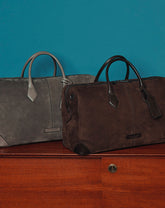
 By material
 Leather trolleys
 Hard case trolleys
 Fabric trolleys
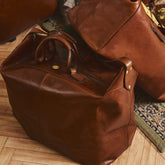

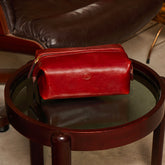
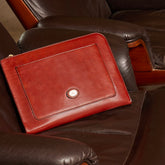






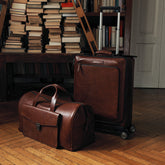




A genuine leather bag is not simply an accessory: it is the result of a natural material, careful craftsmanship and an artisan tradition expressed through every detail. And yet, in a market where synthetic alternatives are increasingly sophisticated, telling authentic leather apart from a material that merely imitates its appearance can be less straightforward than you might think.
There are, however, certain signs that make it possible to recognize a bag’s authenticity: features that involve sight, touch and even smell. From the texture of the surface to the structure of the edges, right through to the way the material responds to everyday use, genuine leather reveals its nature through unique details that are difficult to replicate. In this guide we explore how to recognize a genuine leather bag, which elements to look out for and why the quality of a natural material continues to represent a value appreciated by those seeking accessories designed to last over time.
Table of contents
- Why it is important to know how to recognize genuine leather
- How to recognize a genuine leather bag through touch
- The smell of leather: an authentic sign
- Observing the surface and its natural imperfections
- Checking the edges and cuts of the leather
- How it responds to folding and use
- Labels and certifications: what to check
- FAQ
Why it is important to know how to recognize genuine leather
Knowing how to tell a genuine leather bag from a product made with synthetic materials means understanding the value of an accessory destined to accompany us over time. Leather is a living material, capable of evolving with use and of telling a story through the marks it acquires over the years.
Today the market offers numerous alternatives that, at first glance, can look very similar to authentic leather. However, there are precise characteristics that make it possible to recognize the quality of artisan craftsmanship and the genuineness of the material used.
Understanding how to recognize a genuine leather bag therefore allows you to make a more informed choice, appreciating the worth of a natural material and the work that lies behind every creation.
How to recognize a genuine leather bag through touch
The first element to consider is contact with the surface of the bag. Genuine leather conveys a soft, warm and pleasant sensation. It never appears completely uniform and responds naturally to the pressure of your fingers.
When you run your hand over an authentic leather bag you feel a rich, deep consistency, different from that of synthetic materials, which tend to feel colder or more plasticky.
A simple gesture can offer a useful indication: by applying light pressure to the surface, the leather shows small variations and natural movements in the grain. Artificial materials, on the other hand, often keep a more rigid and uniform appearance.
The smell of leather: an authentic sign
Smell can also provide valuable information. Authentic leather has a characteristic, natural and recognizable fragrance, deriving from the raw material and the tanning processes.
It is a delicate yet persistent scent, difficult to reproduce artificially. Synthetic imitations may give off chemical or neutral odors, lacking the complexity typical of real leather.
The scent can change depending on the processing and the tanning used. In the case of vegetable tanning, it stands out for the natural nuances and characteristics that help tell the story of the leather’s authenticity. This too is why smell is one of the first elements to consider when you want to recognize a genuine leather bag.
Observing the surface and its natural imperfections
The beauty of uniqueness
One of the most fascinating aspects of genuine leather is its uniqueness. Being a natural material, every hide presents slight variations that tell of its origin.
Small variations in the grain, slight irregularities or shades of color should not be regarded as flaws. On the contrary, they are often a distinctive sign of authentic leather.
Synthetic materials, by contrast, tend to reproduce extremely regular and repetitive textures, obtained through industrial processes that make every surface practically identical to the next.
Beware of excessive uniformity
A perfectly even surface, free of any visible variation, may be something to observe carefully. Natural leather retains a visual identity of its own that sets it apart from imitations.
For this reason, examining the material closely and in different lighting conditions can help you grasp its authentic characteristics.
Checking the edges and cuts of the leather
Another detail that is often overlooked concerns the edges and cut sections of the material. Genuine leather has a fibrous, compact structure, visible above all in the uncoated parts. By observing an edge, you can notice the fibers that make up the material, a sign of its natural origin.
Synthetic materials, instead, show a more uniform, layered structure, sometimes similar to plastic. The cuts generally appear cleaner and lack the characteristic fibers typical of leather. The finishes, too, say a great deal about the quality of a bag. Careful working of the edges is often a sign of artisan attention and further enhances the material used.
How it responds to folding and use
Authentic leather possesses a natural elasticity that allows it to adapt to everyday use without losing its character. When gently folded, it tends to form slight creases that disappear or soften once the pressure is released. This behavior derives from the natural structure of the fibers.
As time goes by, a genuine leather bag gradually evolves, developing an increasingly personal appearance. The surfaces gain depth and tell of the experience lived alongside the person who uses it. Synthetic materials, on the other hand, may stiffen, crack or keep a substantially unchanged appearance over time, without that natural evolution that characterizes authentic leather.
Labels and certifications: what to check
In addition to the visual and tactile characteristics, it is always useful to consult the information provided by the manufacturer. The wording on labels can indicate the composition of the material and help the consumer understand the nature of the product. Terms such as “genuine leather”, “leather” or equivalent indications generally signal the use of natural material.
The reputation of the brand is also an important element. Companies with a long tradition in leather craftsmanship tend to value the origin of their materials and the quality of their workmanship, offering greater transparency about the characteristics of their products.
FAQ
How can you recognize a genuine leather bag at first glance?
By observing the surface carefully. Genuine leather shows slight variations in the grain and color that highlight its natural origin. A texture that is too regular may indicate the presence of synthetic materials.
Is smell useful for telling whether a bag is leather?
Yes. Authentic leather has a natural, characteristic fragrance that can rarely be convincingly replicated by artificial materials.
Does genuine leather have imperfections?
Yes. Small irregularities, variations in the grain and natural shades are part of the characteristics of authentic leather and are testament to its uniqueness.
Does a genuine leather bag change over time?
Certainly. With use, leather gradually evolves, taking on an increasingly personal appearance and enhancing the story of the accessory.
Are labels enough to verify authenticity?
Labels are a good starting point, but it is advisable to also assess the touch, smell, structure and overall quality of the workmanship.
Conclusion
Understanding how to recognize a genuine leather bag means learning to appreciate the qualities of a natural material, one that stands out for its consistency, scent, structure and behavior over time.
Every detail, from its softness to the touch to the slight variations in the surface, helps tell the story of the leather’s authenticity and the value of careful workmanship. Choosing a bag made with this material means placing your trust in an accessory that preserves the charm of tradition and accompanies daily life with elegance, keeping its character intact year after year.
There are no comments for this article yet.